Nome dell'autore: Digitax Automotive Electronics

Blog

Industrial-Grade vs Consumer Devices: Why Professional Hardware Always Wins

INDUSTRIAL-GRADE VS CONSUMER DEVICES Why Professional Hardware Always Wins November 12, 2025 09:30 am In the world of connected mobility, public transport and fleet management, the difference between industrial-grade vs consumer devices determines much more than performance – it impacts safety, uptime, and the long-term sustainability of every operation. At first glance, tablets and smartphones designed for everyday use may seem attractive from a budget perspective. However, only true industrial-grade, automotive-compliant hardware can deliver the 24/7 reliability that modern fleets, transport authorities and operators actually require. Digitax devices – such as the ATOMO 10 MDT, ATOMO 10 ETS, ATOMO 7 Smart Ticket Validator and X-One Android family – are purpose-built for professional mobility ecosystems, not adapted consumer electronics. They are designed to integrate deeply with on-board systems, withstand harsh environments and evolve over time thanks to modular, future-proof architectures. 1. DESIGNED FOR AUTOMOTIVE RELIABILITY Industrial-grade devices for mobility must survive far more than office use. They are installed in buses, taxis, emergency vehicles, logistics and special vehicles fleets that operate all day, every day. Therefore, Digitax on-board systems are: industrial grade and automotive compliant, designed specifically for fleet management, public transport and special vehicles. engineered for harsh environments – with high protection levels, extended temperature ranges and resistance to vibration, dust and humidity, as specified in product datasheets. certified for electromagnetic compatibility and safety, ensuring stable behaviour even in noisy electrical environments typical of vehicles. By contrast, consumer devices are simply not designed for this context. Their housings, connectors and components are optimised for indoor, personal use – not for continuous exposure to temperature fluctuations, vibrations, power spikes and constant connectivity. When mission-critical data, ticketing and fleet supervision depend on the hardware, the difference is clear: industrial-grade technology means fewer failures, predictable maintenance and maximum service continuity. TABLE of CONTENTS Designed for Automotive Reliability Designed for Automotive Reliability Future-Proof Performance for professional fleets Future-Proof Performance for professional fleets Total Cost of Ownership and Lifecycle Value Total Cost of Ownership and Lifecycle Value Safety, Compliance and Mission Continuity Safety, Compliance and Mission Continuity Full Connectivity for Professional Integration Full Connectivity for Professional Integration Advanced Software Ecosystem: Digitax SDK Advanced Software Ecosystem: Digitax SDK Certified for Smart Mobility and Contactless Payments Certified for Smart Mobility and Contactless Payments Real-World Applications and Ecosystem Integration Real-World Applications and Ecosystem Integration Made in Italy, Trusted Worldwide Made in Italy, Trusted Worldwide Conclusion: When Reliability Matters, Industrial Wins Conclusion: When Reliability Matters, Industrial Wins FAQ FAQ 2. FUTURE-PROOF PERFORMANCE FOR PROFESSIONAL FLEETS Across the Digitax range – from ATOMO 7 and ATOMO 10 MDT / ATOMO 10 ETS to X-One Android MDT, FORCE ONE Navigator and M1 MDT – each platform is engineered as professional, automotive-grade hardware with clear product roadmaps, extended component availability and dedicated firmware support. This long-term vision allows operators to deploy systems that remain reliable and aligned with future requirements. In practice, this long-term approach means fleets can adapt to new standards, services and applications while preserving their hardware investment. Instead of replacing consumer tablets every two or three years, operators can keep their professional in-vehicle systems in service for many more years, upgrading only what is truly necessary. Discover Digitax Mobile Data Terminals full range 3. TOTAL COST OF OWNERSHIP AND LIFECYCLE VALUE The initial purchase price is only one part of the real cost of a device. For professional fleets, what really counts is Total Cost of Ownership (TCO) over the full lifecycle. Consumer devices often entail hidden costs, such as: Shorter lifecycle and frequent replacements; Limited availability of spare parts; No guaranteed long-term software support; Higher risk of failures and downtime. On the other hand, industrial-grade Digitax devices are designed with the opposite philosophy. They are built for long-term operation, supported by component availability and product roadmaps. Firmware and software updates are aligned with professional needs, including security patches and compatibility with new back-office systems. Moreover, modular upgrades – like the Android Platform On Module on ATOMO 10 MDT – delay hardware obsolescence and avoid disruptive “rip & replace” projects. As a result, fleet operators benefit from a lower cost per year of operation, reduced downtime and more predictable budgeting. For public transport agencies and system integrators, this translates directly into a higher return on investment. 3D design of Digitax ATOMO 7 onboard devices for smart mobility A Digitax engineer works on dual monitors on the exploded 3D model of ATOMO 7 smart Validator onboard device, reviewing electronic and mechanical components for advanced smart mobility solutions. 4. SAFETY, COMPLIANCE AND MISSION CONTINUITY In mobility and public transport, safety is non-negotiable. Devices must be stable not only under normal conditions, but also during power fluctuations, vehicle restarts or unexpected events. For this reason, Digitax hardware is designed for: automotive-grade power management, with advanced functions for safe shutdown, controlled restart and wake-up, reducing the risk of data loss or system corruption during voltage drops or engine cranking. EMC and E-Mark compliance, essential for use on certified vehicles and for integration into larger on-board systems. secure architectures with embedded taximeter CPUs and protected Android environments, so that certified metrological functions remain operational even if the main application layer restarts. These features are critical for taxi fleets, emergency services, public transport operators and all applications where continuity of service and integrity of certified functions are mandatory. PCB layout design for advanced onboard electronics Close-up of a Digitax engineer reviewing a detailed PCB layout on a computer screen, showing complex circuit traces and components for advanced onboard electronic systems. 5. FULL CONNECTIVITY FOR PROFESSIONAL INTEGRATION Consumer tablets are typically limited to Wi-Fi, Bluetooth and a few USB ports. In complex vehicle systems, however, this is not enough. Modern mobility solutions must connect to: on-board diagnostics ticketing equipment passenger counting systems printers, displays and sensors central fleet management and AVM platforms   Digitax on-board systems are designed specifically for this scenario. Depending on the model, they can offer multiple serial and field interfaces (such as RS232, RS485, CAN Bus, digital and analog I/O and

Blog

How Kaptyn and Triad Upgraded Las Vegas Taxi Operations in the USA

CASE STUDY How Kaptyn and Triad Modernized Las Vegas Taxi Operations November 27, 2025 09:14 am Las Vegas is one of the most demanding environments for ground transportation:24/7 operations, extreme peaks around events and conferences, and passengers who expect a seamless, technology-driven experience every time. To keep up with this pace, Kaptyn – a premium ground transportation platform based in Las Vegas – and its technology arm Triad TransTech set out to modernize their taxi operations with a new on-board solution: an integrated taxi meter and mobile data terminal (MDT) designed for today’s connected fleets. This case study looks at how our Digitax hardware powers Triad’s DT5 Integrated TaxiMeter & Data Terminal, deployed in Kaptyn’s Las Vegas operations, and how it supports both regulatory requirements and a premium passenger experience. DT5 Integrated TaxiMeter & Data Terminal Kaptyn’s DT5 integrated taxi meter and mobile data terminal running on the Digitax X-ONE on-board unit for Las Vegas taxi operations. 1. ABOUT KAPTYN AND TRIAD TRANSTECH Kaptyn positions itself as a premium ground travel platform, offering elegant booking, duty of care and real-time tracking for demanding travelers, corporate programs and hospitality partners across major US markets. Triad TransTech, wholly owned by Kaptyn Technology, Inc., develops the technology that powers these operations, including the DT5 Integrated TaxiMeter & Data Terminal and the FleetManager back-office platform. Triad is headquartered in Las Vegas, NV – right at the heart of the market it serves. Together, Kaptyn and Triad wanted an in-vehicle device that was not just a taximeter, but a full mobile data terminal and certified taxi meter all-in-one, ready for current and future needs of regulated taxi operations in Las Vegas. To build that device, they chose Digitax X-ONE MDT as the underlying platform. TABLE of CONTENTS About Kaptyn and Triad TransTech About Kaptyn and Triad TransTech The challenge: from traditional meters to connected operations The challenge: from traditional meters to connected operations The solution: DT5 built on Digitax X-ONE MDT The solution: DT5 built on Digitax X-ONE MDT The hardware foundation: Digitax X-ONE MDT inside DT5 The hardware foundation: Digitax X-ONE MDT inside DT5 Key capabilities in daily Las Vegas operations Key capabilities in daily Las Vegas operations Key capabilities in daily Las Vegas operations Key capabilities in daily Las Vegas operations Software by Triad, hardware by Digitax Software by Triad, hardware by Digitax From Las Vegas to other US markets From Las Vegas to other US markets Interested in building your own integrated taximeter & MDT solution? Interested in building your own integrated taximeter & MDT solution? FAQ FAQ 2. THE CHALLENGE: from traditional meters to connected operation Before adopting the integrated solution, Kaptyn and its partners faced challenges that are typical for regulated fleets in large US cities: – Separate systems for metering, dispatch, tracking and reporting – Limited real-time visibility for regulators and dispatchers into what happens on the road – Complex fare updates and rate changes, especially when regulations or tariffs change – Growing expectations from passengers used to smartphones, apps and digital receipts At the same time, strict regulatory requirements around certified meters, NTEP/NCWM compliance and data access meant that any new system had to do more than just look modern – it had to check every compliance box and be robust enough for continuous operation in Las Vegas. Kaptyn and Triad needed a single, compact in-vehicle device that could: – function as a fully certified taxi meter – act as a mobile data terminal for dispatch and driver workflows – connect reliably over LTE and GPS – integrate with their existing FleetManager back-office and regulatory platforms 3. The solution: DT5 built on Digitax X-ONE MDT To address these needs, Triad launched the DT5 Integrated TaxiMeter & Data Terminal, built on top of the Digitax X-ONE MDT platform and fully integrated with its FleetManager back-office. DT5 combines: – a certified taxi meter (NTEP / NCWM fully certified, metered and flat-rate capable) – a full mobile data terminal with driver login, job handling and dispatch integration – LTE connectivity for over-the-air rate and software updates – GPS tracking with geo-fencing and route monitoring – interfaces for third-party payment terminals, passenger receipts and customer feedback Instead of several separate devices mounted on the dashboard, drivers now interact with one integrated head unit that: – calculates and displays fares – communicates with the FleetManager back-office and regulatory portals – supports dispatch and e-hailing integrations – provides additional features such as two-way audio intercom and panic button support for safety In total, 4,061 Digitax X-ONE MDT devices were supplied as the hardware foundation for DT5, giving Kaptyn and Triad a scalable platform for their Las Vegas deployment and future expansions. Digitax X-ONE Android mobile data terminal Digitax x-one android mdt 7-inch industrial tablet with programmable keys and android interface 4. The hardware foundation: Digitax X-ONE MDT inside DT5 At the core of the DT5 device is the Digitax X-ONE MDT, a 7-inch mobile data terminal designed specifically for in-vehicle use in taxis, public transport and special fleets. X-ONE provides: – the processing power needed to run both the meter application and the MDT user interface – vehicle-grade connectivity (power supply, communication interfaces, GPS) – a rugged display and housing suitable for 24/7 operation in a harsh urban environment By leveraging the X-ONE MDT platform, Triad was able to focus on its own applications – the DT5 user interface and FleetManager back-office – while relying on Digitax for the on-board electronics, display, I/O and power management. This split of responsibilities has been key to the project’s success: – Triad and Kaptyn own the user experience and integrations – Digitax provides a proven, certifiable in-vehicle MDT platform at scale https://digitax.com/wp-content/uploads/2025/11/Ride-Genie-and-DT5-Demonstration2_15mega.mp4 Video owned by www.triadtranstech.com 5. Key capabilities in daily Las Vegas operations For Kaptyn and its partners, the DT5 built on Digitax X-ONE is used every day in some of the busiest parts of Las Vegas. The solution was designed to support three main areas: Real-time data for regulators and dispatch Medallion tracking and driver login, so every trip

Blog

How to Improve Fleet Efficiency and Reduce Downtime with Digitax Connected Solutions

How to Improve Fleet Efficiency and Reduce Downtime with Digitax Connected Solutions October 9, 2025 10.15 am Fleet efficiency is the difference between vehicles that simply move and vehicles that generate consistent, predictable value. Whether you manage taxis, public transport or special vehicles, every hour a vehicle spends off the road hurts your revenue, your contracts and your passengers’ trust. With the right mix of on-board hardware and a connected management platform, you can turn your fleet into a coordinated, data-driven operation that stays on the road longer and works more efficiently. That is exactly where the Digitax ecosystem – taximeters, Mobile Data Terminals and Device Track – comes into play. 1. Why Fleet Efficiency and Uptime Matter For many organisations, the fleet is still treated as a fixed cost: fuel, drivers, maintenance, insurance. In reality, it is a strategic asset. When fleet efficiency is low, several problems appear: Vehicles are off the road because no one spotted an issue early. Dispatch sends the wrong vehicle or a distant one, wasting time and fuel. Controllers do not have a realtime picture of what is happening on the street. Reports arrive late or in spreadsheets that are difficult to combine. A connected fleet, where each vehicle shares its status, location and operating data in real time, allows you to: reduce unplanned downtime control operating costs and improve service quality in a measurable way Digitax ATOMO 10 MDT — advanced Android Mobile Data Terminal for fleet and transport applications The ATOMO 10 MDT brings advanced Android intelligence to fleet operations — connecting drivers, data, and dispatch in one powerful platform TABLE of CONTENTS Why Fleet Efficiency and Uptime Matter Why Fleet Efficiency and Uptime Matter A Quick Health Check for Your Fleet A Quick Health Check for Your Fleet Four Pillars of a High-Efficiency Fleet Four Pillars of a High-Efficiency Fleet How Digitax Device Track Brings It All Together How Digitax Device Track Brings It All Together FAQ FAQ 2. A Quick Health Check for Your Fleet Ask yourself a few simple questions: Can I see the location and status of every vehicle right now (For Hire, Hired, Locked, Alarm)? Do I receive timely alerts when something goes wrong on board? Do I have a single place where trip data, shifts and diagnostics are stored and easy to analyse? Can I communicate instantly with drivers from the control room? Do I have reports and history that help me plan better routes, shifts and maintenance? If the answer is “not really” to any of these, there is clear room for improvement – and connected Digitax solutions can help. > Discover our Mobile Data Terminals (MDTs) designed for connected, intelligent fleet operations. 3. Four Pillars of a High-Efficiency Fleet Connected Vehicles and Drivers Modern fleets need vehicles that “talk” to the back office. With Digitax, devices like Taximeters, Mobile Data Terminals (MDT) and Smart Box send real-time information to the control centre: position, operating status, trip events and more. This enables you to: Match demand and supply by dispatching the closest available vehicle. Reduce empty mileage by planning smarter sequences of trips. Support drivers on the road with messages, instructions or warnings displayed directly on on-board devices. The result is less time wasted between jobs and a smoother experience for drivers and passengers. Data-Driven Maintenance and Reduced Downtime Unplanned stops are one of the biggest enemies of fleet efficiency. Instead of waiting for a breakdown, Digitax helps you work proactively: Trip and shift history makes it easy to analyse vehicle utilisation and identify units that are over or under used. Diagnostic information from connected devices gives early signals that something is not working as expected, so you can plan maintenance before it becomes critical. Remote commands – such as locking or unlocking a taximeter– give you control in case of suspicious situations, contract violations or emergencies. By combining workshop processes with Digitax data, you can schedule interventions at the right time, minimise vehicle downtime and maintain service continuity. Real-Time Control Room Visibility You cannot optimise what you cannot see. The Digitax Fleet Tracking & Management System (Device Track) provides a web-based control panel where you monitor your entire fleet in real time. From a single interface you can: View the map position of every vehicle, along with taximeter status. Access detailed trip information– fares, distances, amounts, tips – to measure performance and revenue. Analyse driver shifts and breaks to ensure fair workloads and regulatory compliance. Download reports in Excel or CSVfor deeper analysis and integration with other business tools. This turns raw data into actionable insight, so you can make decisions quickly and based on facts rather than assumptions. Security, Compliance and Scalability by Design Efficiency must be balanced with security and compliance, especially in regulated sectors like taxi and public transport. Digitax solutions are designed with these requirements in mind: Secure communication between devices and servers using encrypted connections and digital certificates, protecting operational data against tampering. Role-based access so each user only sees the vehicles and information they are authorised to manage – ideal for multi-company or franchise environments. Certified taximeters (MID, OIML R21, E-Mark) that ensure fiscal accuracy and legal compliance across markets. As your business grows, the same architecture scales from a small fleet to hundreds of vehicles without changing tools or core processes. 4. How Digitax Device Track Brings It All Together Bringing these pillars together, Digitax Device Track becomes the central hub of your operations: Real-time GPS monitoringof every vehicle, with status from the taximeter for instant awareness of what each car is doing. Two-way communication: send messages or instructions directly to on-board devices and receive confirmations, improving coordination without phone calls. Historical analysis: every trip, shift, lock/unlock event or message is stored in a secure database for later review, audits or optimisation. Integration options: documented database and the ability to send custom commands allow you to connect Digitax data with existing dispatch, ERP or business-intelligence systems. All of this is natively integrated with Digitax taximeters, MDTs and Smart Box,

Blog

How a Single-Screen On-Board Computer Unifies Dispatch, Maps and Messaging

How a Single-Screen On-Board Computer Unifies Dispatch, Maps and Messaging November 3, 2025 4:30 pm In many fleets, drivers still juggle multiple devices: one smartphone for navigation, another display for job dispatch, plus different tools for messages and notes. The result is a cluttered cockpit, constant app-switching, and higher distraction. A safer and more efficient approach is to use a single-screen vehicle-mounted computer that centralises all critical information in front of the driver. In the Digitax ecosystem, this role is covered by our on-board tablet MDTs and in-vehicle rugged tablets – such as ATOMO-10 MDT, X-One Android, X-One Plus, ForceOne Navigator and M1 MDT – integrated with modern dispatch and fleet management platforms. Together, they give drivers one unified interface for dispatch, maps and messaging on the same screen. 1 .Why a single screen makes the difference When fleets rely on multiple consumer devices in the cabin, they often face: Higher distraction – drivers look at different displays and apps just to manage one trip. Slower workflows – accepting a job, reading notes and starting navigation means jumping between apps. Longer training – every app behaves differently and needs its own onboarding. Limited durability – phones and consumer tablets are not designed for heat, vibration and 24/7 duty. Consequently, automotive-grade Digitax devices are designed precisely to bring dispatch, navigation and communication together on one display. They are mounted securely in the cockpit, are built for professional vehicles, and can stay connected to the control centre around the clock. Digitax ATOMO 10 MDT — advanced Android Mobile Data Terminal for fleet and transport applications Operator using the atomo 10 mdt inside a waste collection truck for route management and fleet coordination. TABLE of CONTENTS Why a single screen makes the difference Why a single screen makes the difference Digitax all-in-one MDTs: the driver’s single-screen console Digitax all-in-one MDTs: the driver’s single-screen console Everyday workflows on a Digitax all-in-one MDT Everyday workflows on a Digitax all-in-one MDT How connected platforms link drivers, dispatch and maps How connected platforms link drivers, dispatch and maps Smart Box, Device Track and Driving Merit: the extended Digitax ecosystem Smart Box, Device Track and Driving Merit: the extended Digitax ecosystem Integration with ticketing and all-in-one driver consoles Integration with ticketing and all-in-one driver consoles What the driver actually sees: a typical workflow What the driver actually sees: a typical workflow Benefits for operators and system integrators Benefits for operators and system integrators Moving towards a unified in-vehicle experience Moving towards a unified in-vehicle experience FAQ FAQ 2. Digitax all-in-one MDTs: the driver’s single-screen console   In the Digitax architecture, our all-in-one Mobile Data Terminals are the central hub of every connected vehicle – effectively, the driver’s single-screen console. Whether it is an ATOMO-10 MDT, an X-One Android unit or another rugged in-vehicle computer, the goal is always the same: bring every key function onto one safe, automotive-grade screen. Digitax describes devices like X-One Android and X-One Plus as industrial-grade, automotive-compliant ALL IN ONE mobile data terminals – that is, all-in-one vehicle-mounted computers in a single housing. The touch display, computing unit, connectivity and I/O are integrated in one rugged body. There is no separate ‘black box plus display’; instead, the driver interacts with one compact, all-in-one MDT computer mounted in the cabin.   > Discover our Mobile Data Terminals (MDTs) designed for connected, intelligent fleet operations. 3. Everyday workflows on a Digitax all-in-one MDT Digitax describes devices like X-One Android and X-One Plus as industrial-grade, automotive-compliant ALL IN ONE mobile data terminals – that is, all-in-one vehicle-mounted computers in a single housing. The touch display, computing unit, connectivity and I/O are integrated in one rugged body. There is no separate ‘black box plus display’; instead, the driver interacts with one compact, all-in-one MDT computer mounted in the cabin. On this all-in-one on-board computer, drivers can: receive and manage job assignments and status updates in real time; follow guided navigation from pickup to destination without switching devices; read and send structured messages to the control centre using simple, touch-optimised workflows. In addition, some Digitax devices integrate certified functions in the same all-in-one body. For instance, M1 MDT is a driver computer with integrated taximeter and display that can be installed on the rear-view mirror, while ForceOne Navigator offers a compact vehicle-mounted terminal with optional built-in certified taximeter. If you need a full introduction to what a Mobile Data Terminal (MDT) is and how the technology evolved, you can read our guide ‘What is a Mobile Data Terminal (MDT)?’ and then come back to this article to see how these devices enable a true single-screen experience for drivers. To get a full introduction to what a Mobile Data Terminal (MDT) is and how it works, read our guide What is a Mobile Data Terminal (MDT)? 4. How connected platforms link drivers, dispatch and maps Behind the in-vehicle devices, a cloud-based dispatch and fleet management platform coordinates rides and vehicles. Typically, it: receives and organises trip requests; allocates jobs intelligently to vehicles; communicates with MDTs and other vehicle-mounted computers via modern channels (GPRS, 4G, internet, VoIP); provides real-time monitoring, queue management and advanced statistics. Because Digitax MDTs and rugged in-vehicle computers are designed to integrate with modern dispatch and fleet management platforms, the driver can see job assignments, navigation and messaging in a single, consistent interface, instead of stitching together unrelated apps. Digitax X-ONE Android MDT in-vehicle mounted, navigation and fare display Driver using the digitax x-one android mdt mounted on the dashboard showing navigation map and fare information in traffic 5. Smart Box, Device Track and Driving Merit: the extended Digitax ecosystem Moreover, if an operator prefers to use a smartphone or tablet instead of an all-in-one in-vehicle device, the Digitax Smart Box is the ideal hardware bridge: it connects the vehicle to the Digitax ecosystem and to the dispatch and fleet management platform, while the phone or tablet simply becomes the driver’s single-screen interface. For operators who need full visibility and control over their assets, the Digitax

Blog

F4 Plus Vs F4 Slim, Smart Taximeters Comparision

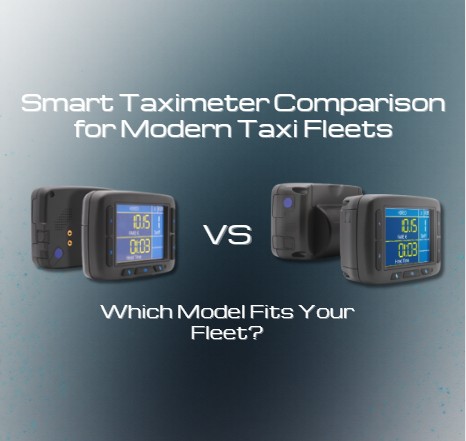
F4 PLUS vs F4 SLIM Smart Taximeter Comparison for Modern Taxi Fleets Novembre 21, 2025 5:52 pm F4 Plus and F4 Slim stand out as two complementary approaches to smart taximeters: a full-featured all-in-one unit with integrated thermal printer and a compact certified device designed for flexible installations. In this article, we take a closer look at how their design, printing capabilities, connectivity options and certifications impact daily operations, and how taxi operators can decide whether an all-in-one smart taximeter or a slim, lightweight form factor is the best fit for their fleet strategy. 1. Overview This F4 Plus vs F4 Slim smart taximeter comparison helps modern taxi fleets choose the right certified device. It reviews the key features of the F4 Plus and F4 Slim smart taximeters, highlighting their distinctive characteristics, certifications, and ideal use cases. Both models are engineered by Digitax to meet European standards for professional taxi operations, ensuring accuracy, reliability, and full compliance with international regulations. Both models share the same certified architecture and smart functionality but differ in design and integration.Here’s how they compare at a glance: F4 Plus — a full-featured, all-in-one Smart Taximeter with a built-in thermal printer, GNSS, Bluetooth, and 4G/5G connectivity. Designed for regulated taxi fleets that require integrated fiscal printing and standalone operation. F4 Slim — a compact, lightweight taximeter with external printer compatibility (Digitax TRE / QUATTRO), ideal for space-saving installations and modular system configurations. Both devices are fully certified (MID, OIML R21, E-Mark) and support Over-The-Air (OTA) tariff updates, Digitax SDK integration, and remote fleet management via Digitax Device Track.    F4 PLUS with Integrated PrinterF4 SLIM Compact and lightweight TABLE of CONTENTS Overview Overview Feature Comparision Feature Comparision Different Forms, Same Certified Core Different Forms, Same Certified Core Certified Connectivity and Safety Certified Connectivity and Safety Fleet Management with Digitax Device Track Fleet Management with Digitax Device Track Which Model Fits Your Fleet? Which Model Fits Your Fleet? Conclusion Conclusion FAQ FAQ 2. Feature Comparision FEATURE F4 PLUS F4 SLIM Product Type Full-featured Smart Taximeter Compact Certified Smart Taximeter Design Standard all-in-one Taximeter and printer unit Slim, lightweight form factor Built-in Printer ✅ Built-in 50 mm thermal printer ❌ Compatible with external printers (Digitax TRE / QUATTRO) Connectivity option ✅ GPS, Bluetooth 4.x, 4G LTE / 5G Cat-M ✅ GPS, Bluetooth 4.x, optional 4G LTE / 5G Cat-M Buttons ✅ 7 physical control keys ✅ 7 physical control keys Tariffs ✅ Up to 63 smart, OTA-updatable tariffs ✅ Up to 63 smart, OTA-updatable tariffs I/O Interfaces ✅ 3× RS232, 4× Digital I/O, 5× Power Outputs ✅ 3× RS232, 4× Digital I/O, 5× Power Outputs Certifications ✅ MID (EU), OIML R21, E-Mark ✅ MID (EU), OIML R21, E-Mark Optional Modules 9 axis inertial motion ❌ Ideal For Regulated taxi fleets needing integrated printing and full connectivity Regulated taxi fleets needing a compact and lightweight taximeter and ideal for space-saving installations and modular system configurations Device Track Compatibility ✅ Full OTA & remote management support ✅ Full OTA & remote management support SDK Support ✅ Digitax SDK for app integration ✅ Digitax SDK for app integration Looking for an External Printer for your F4 SLIM? Discover Digitax Printer QUATTRO Discover Digitax Printer TRE 3. Different Forms, Same Certified Core The F4 Plus and F4 Slim share the same electronic core and certified architecture but differ in how they adapt to real-world taxi operations. The F4 Plus stands out as a self-contained unit with all components integrated within a sealed housing. It combines precision fare calculation, real-time data communication, and fiscal printing in one certified device — perfect for fleets operating under strict compliance or fiscal regimes. Meanwhile, the F4 Slim brings the same intelligence to a smaller, modular design. Its light and adaptable form factor makes it ideal for compact dashboards or vehicles using distributed peripheral systems, while still guaranteeing certified accuracy and full compatibility with Digitax management platforms. 4. Certified Connectivity and Safety Both models deliver smart connectivity and advanced safety monitoring, combining: GNSS and GPS tracking for accurate positioning, tariff management, and anti-tampering verification; 9-axis inertial sensors that monitor acceleration, braking, and impact to enhance driver and passenger safety; 4G LTE / 5G Cat-M modem for seamless communication with fleet, fiscal, or emergency servers; Over-The-Air (OTA) updates for tariffs and firmware, ensuring continuous optimization and minimal downtime. Through these capabilities, F4 Plus and F4 Slim set a new benchmark for secure, connected, and intelligent metrology in professional taxi operations. Digitax smart taximeter connectivity diagram illustration showing the connection of the digitax taximeter to vehicle systems and devices including lte gps smart box mdt pc mobile app and contactless modules 5. Fleet Management with Digitax Device Track When paired with Digitax Device Track, both models become fully connected devices within a unified ecosystem.Fleet operators can: Supervise vehicles in real time (position, route, speed, and job status); Perform OTA updates to thousands of units simultaneously; Use remote control features like device locking/unlocking for operational security; Access detailed driver and trip analytics to enhance productivity and compliance. This integration transforms the taximeter from a standalone device into a smart mobility hub, empowering taxi companies to operate more efficiently and securely. 6. Which Model Fits Your Fleet? Choose F4 Plus if you need a standalone, all-in-one system with integrated printer and full fiscal autonomy. Choose F4 Slim if you prefer a compact, modular setup with external peripherals and flexible configuration. Both are built on the same Digitax Smart Mobility DNA — delivering certified precision, reliable connectivity, and future-proof design for the evolving mobility landscape. 7. Conclusion The F4 Plus and F4 Slim represent two complementary solutions within the Digitax Smart Taximeter range — sharing the same core technology, certification, and reliability, while addressing different operational needs. With advanced connectivity, OTA management, and integration with the Digitax Device Track platform, both devices ensure that taxi fleets remain compliant, efficient, and connected in every condition. Whether you choose the integrated power of F4 Plus or the flexible design of F4 Slim, both

Blog

How taxi meters work, The Ultimate Guide

HOW TAXI METER WORKS THE ULTIMATE GUIDE Novembre 19, 2025 3:38 pm Understanding how taxi meters work is essential for passengers, drivers, and fleet managers. Additionally, in many cities around the world, taxi meters remain a key component of regulated transport systems. Before exploring Digitax devices, this guide explains the general principles behind modern fare calculation so readers can understand how compliant taximeters operate, regardless of brand. 1. HOW TAXI METER WORKS: OVERVIEW How taxi meters work  and how a taximeter calculates the cost of a journey,  is essential for passengers, drivers, fleet managers, and mobility operators. In fact, today’s taximeters combine certified measurement systems, advanced electronics, and secure connectivity to ensure accurate, transparent, and compliant fare calculation. Moreover, this guide explains how taximeters work, how they measure distance and time, and how modern devices — such as the Digitax taximeter range — integrate with peripherals, printers, fleet tools, and vehicle systems. TABLE of CONTENTS How taxi meters work: Overview How taxi meters work: Overview What a Taxi Meter Does What a Taxi Meter Does How Taxi Meters Measure Distance How Taxi Meters Measure Distance How taxi meters Measure Waiting Time How taxi meters Measure Waiting Time Tariff Structures & Smart Tariff Management Tariff Structures & Smart Tariff Management Core Components of a Taxi Meter System Core Components of a Taxi Meter System Security & Anti- Tampering Features Security & Anti- Tampering Features Connectivity & Data Transmission Connectivity & Data Transmission Peripherals Working with Taxi Meters Peripherals Working with Taxi Meters Troubleshooting Guide Troubleshooting Guide FAQ FAQ 2. What a Taxi Meter Does​ A taxi meter is a certified instrument designed to calculate the fare of a taxi trip based on time, distance, and tariff rules set by local authorities. As a result, it ensures a consistent and standardised approach to fare calculation. Understanding how taxi meters work helps clarify why this device ensures a consistent and standardised approach to fare calculation. 2.1 Goals of a Taxi Meter Transparency for passengers Compliance with regulations Reliability in all conditions 2.2 Digitax Taximeter Range Overview In this framework, Digitax taximeters—from compact models like ET806 Plus to advanced all-in-one units such as F4 Slim and F4 Plus—operate following these core principles. However, the way these devices operate still reflects the same principles behind how taxi meters work in compliant systems worldwide. Discover Digitax full taximeter range 3. How taxi meters work: How Taxi Meters Measure Distance Taxi meters calculate movement using: 3.1 Vehicle Impulse Signals  Most Digitax taximeters use a digital signal from: Hall Effect sensors Electronic speedometer signals In practice, the number of impulses generated per km travelled is a constant parameter specific of the vehicle make and model. Examples: M1 STD supports mechanical Hall sensors and electronic odometer adapters up to 100,000 impulses/km. F1 Plus / F2 Plus / F3 Plus Series and F4 Plus and F4 Slim Series support multiple input configurations. Hybrid and electric vehicles may supply signals differently. Therefore, modern taximeters must support multiple vehicle architectures and allow proper calibration.  3.2 GPS-Based Distance Validation Addiotionally, advanced models, such as F4 Slim and F4 Plus, integrate GPS cross-checking, which detects inconsistencies that might indicate tampering or faulty sensors 4. How Taxi Meters Measure Waiting Time When vehicle speed drops below a threshold, the meter switches to time-based fare — an important aspect of how taxi meters work in real conditions. In these situations, the calculation relies on predefined timing parameters. 4.1 Waiting-Time Programming  Digitax devices allow programmable waiting-time steps: specifically, they support intervals from 0.1 seconds up to 6553.5 seconds with 0.1 s precision alternatively, intervals from 0.01 seconds to 655.35 seconds with 0.01 s precision. Evaluating F4 taximeters for your fleet? Discover how F4 Plus and F4 Slim compare in our dedicated article. 5. How taxi meters work: Tariff Structures & Smart Tariff Management Digitax meters support complex tariff structures, which are central to how taxi meters work in different cities and regulations. 5.1 Supported Tariffs  Day/night tariffs Holiday tariffs Multiple blocks (up to 63 tariffs) Moreover, this structure allows operators to manage complex fare schemes with ease.  5.2 Automatic Tariff Switching  Tariff changes can be based on: Distance Time Date Amount Geofencing For example, many cities activate night tariffs automatically after 22:00. As a result, a modern taximeter may manage up to 63 tariff blocks with automatic time-based or geofence activation. A fleet implementing automatic zone switching reduced fare-related complaints by 15%. In particular, Digitax Taximeters F4 Slim/F4 Plus models support automatic geo-zone switching. Need a compact, mirror-mounted solution for your fleet? Learn more about the M1 STD taximeter. 6. Core Components of a Taxi Meter System A modern taximeter is built around several hardware and interface elements. As a result, each device combines processing power, secure storage, and user-friendly displays. 6.1 Main Electronic Components Processor & protected memory (up to 10000 stored trips on F4 series) LED displays on ET806, F1, F3, and M1-STD Full-color LCD on F4 Slim/Plus 6.2 Interfaces & Connectivity  RS232 ports Digital I/O CAN bus BLE (model dependent) Together, these interfaces enable integration with peripherals, vehicle systems, and external mobility platforms.Furthermore, although Digitax models are used as examples, these components reflect how most certified taximeters work. 7. Security & Anti-Tampering Features Digitax integrates multiple security layers. As a result, every device ensures reliability and protection against manipulation. 7.1 Anti-Tampering Systems  Sealed all-in-one design (Taximeters F4 Slim/F4 Plus) GPS/odometer cross-checks Protected firmware 7.2 Certification Compliance  All Digitax meters comply with: MID OIML R21 In Europe, devices must comply with MID and OIML R21. Looking for a compact taximeter with a built-in printer? Discover the F3 Plus taximeter. 8. Connectivity & Data Transmission Modern taximeters can communicate with external systems for monitoring, updates, and fleet operations. Consequently, they support a variety of wired and wireless technologies. 8.1 Communication Technologies 4G LTE / 5G Cat-M ready modems (F4 Slim/Plus) Bluetooth BLE RS232 / COMMTAX 2 8.2 OTA Updates (Over-the-Air  In addition, Taximeters F4 Slim/Plus enables over-the-air tariff and firmware updates: Tariffs Firmware  8.3 Fleet Supervision Tools Furthermore, the following tools enhance remote management and integration: Device Track: Monitoring, remote commands, trip history, real-time status Digitax SDK: Enables custom app development with access to CAN bus, GPS, odometer, modem. Consequently, fleet platforms such as

driver using the digitax x-one android mdt mounted on the dashboard showing navigation map and fare information in traffic
Blog

What is a Mobile Data Terminal (MDT)?

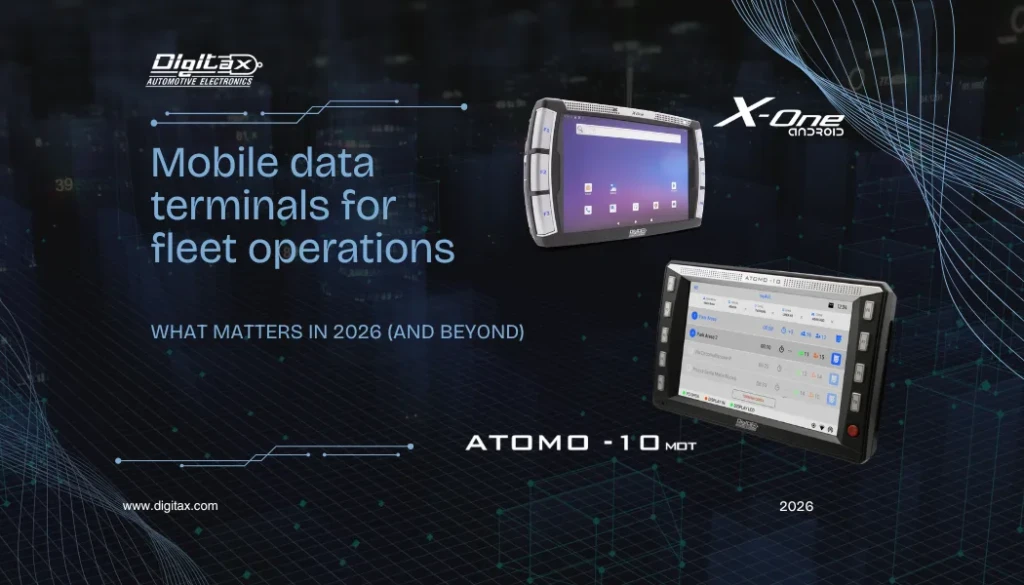
What is a Mobile Data Terminal (MDT)? October 28, 2025 2:42 pm A complete guide to Mobile Data Terminals (MDTs): what they are, how they work, and how they power connected public transport and smart fleet operations. 1. What is a Mobile Data Terminal (MDT)? A Mobile Data Terminal (MDT) is a specialized electronic vehicle-mounted device designed to enable real-time communication and data exchange between a vehicle and a central system. This MDT device is widely used across multiple industries, including: Public Transportation Logistic Taxi Industry Emergency Services Law Enforcement Waste Management Precision Farming Construction Industry MDTs are designed to enhance operational efficiency, situational awareness, and decision-making in the field. Typically powered by a dedicated operating system, MDTs support applications for navigation, diagnostics, fleet management, remote fleet monitoring, and communication. In advanced scenarios, MDTs evolve into mobile intelligent terminals, capable of running sophisticated software, AI-powered analytics, and sector-specific tools. Digitax ATOMO 10 MDT — advanced Android Mobile Data Terminal for fleet and transport applications The ATOMO 10 MDT brings advanced Android intelligence to fleet operations — connecting drivers, data, and dispatch in one powerful platform TABLE of CONTENTS What is a Mobile Data Terminal What is a Mobile Data Terminal Key Applications of Mobile Data Terminals in Professional Fields Key Applications of Mobile Data Terminals in Professional Fields Core Functions of MDTs in Fleet and Transit Operations Core Functions of MDTs in Fleet and Transit Operations Features and Capabilities of Modern Mobile Data Terminals Features and Capabilities of Modern Mobile Data Terminals FAQ FAQ 2. Key Applications of Mobile Data Terminals in Professional Fields         Public Transportation  MDTs assist drivers with route management, scheduling, and passenger information. Integrated tracking and automation features improve service punctuality and fleet performance. Devices like the rugged tablet are often used to ensure long-term reliability in high-usage environments. > Discover Digitax Ticketing Solutions   Logistic and Delivery Services Drivers use MDTs for delivery tracking, real-time route optimization, and communication with dispatchers. In logistics chains, MDTs reduce delays, support dynamic routing, and increase delivery accuracy while reducing costs.   Emercency Service First responders receive critical incident data before arriving on scene, including exact location and emergency type. MDTs—often ruggedized—enable faster, informed decisions and improve team coordination.   Taxi Services MDTs or rugged tablets provide navigation, passenger data, fare tracking, and direct dispatch communication. As a taxi dispatch device, the MDT integrates with central platforms to improve response time and enhance the rider experience.  Waste Management  MDTs track pickup schedules, optimize routes, and log waste collection data in real time. Devices installed in waste collection trucks improve routing efficiency and help in reducing operational costs.  Construction Industry MDTs are mounted in construction vehicles and equipment to track usage, monitor diagnostics, and support project logistics. Rugged tablets allow on-site supervisors to manage blueprints, tasks, and safety checks in real time. Law Enforcement and Public Safety MDTs provide instant access to vehicle registrations, criminal records, and active warrants. Improve communication between officers, command centers, and emergency services > Discover our Mobile Data Terminals (MDTs) designed for connected, intelligent fleet operations. 3. Core Functions of MDTs in Fleet and Transit Operations Real-Time Vehicle Tracking and Navigation Integrated GPS and AVL systems provide live trackingfor vehicles in transit. Essential for sectors like public transportation, taxi services, and waste managementto monitor fleet status and reroute in real time. Streamlined Communication MDTs allow for low-bandwidth, structured messagingbetween drivers and central command. Reduces radio chatter and ensures organized, documented communication across multiple industries. Operational Data Management Captures data such as passenger counts, pickup confirmations, service logs, fare collectionsand more. In construction, waste collection, and farming, this data aids compliance, billing, and performance optimization. Vehicle Monitoring and Diagnostics Monitors engine health, fuel usage, brake condition, and alerts for maintenance. Supportspredictive maintenance, reducing breakdowns across vehicles in demanding environments like construction sites or long-haul logistics.   > Discover Digitax M1 MDT Mobile Data Terminal 4. Features and Capabilities of Modern Mobile Data Terminals Rugged Design Built to withstand dust, vibration, impacts, and extreme weather conditions. Devices like the rugged tabletare ideal for the construction industry, farming equipment, waste collection trucks, and emergency vehicles. Intuitive Interfaces Touchscreen interfaces with customizable softwarereduce the learning curve and improve task execution. Streamline daily operations across public and private fleet services, from bus drivers to crane operators. Reliable Connectivity Real-time data transmission via Wi-Fi, cellular, or satellite networks ensures 24/7 operation. Vital for taxi dispatch systems, remote construction sites, and rural farming operations. Flexible Integration and Mounting Suitable for in-vehicle installation or portable use, MDTs adapt to a wide variety of vehicle types.  Data Security and Privacy in MDTs Security is fundamental to the design of MDTs and mobile intelligent terminals: Data is protected through advanced encryption protocols, both in transit and at rest. Authentication systems and role-based permissions prevent unauthorized access. Regular security updates and compliance features meet data protection standards across industries, including public safety, transportation, and farming.  Operational Impact of MDTs MDTs function as real-time operational control centers, connecting field personnel with headquarters. They: Enhance decision-making with instant access to mission-critical data. Automate repetitive tasks and ensure consistent data logging. Improve vehicle usage and reduce downtime. Provide situational awareness and fleet coordination to improve operational efficiency and support reducing costs across the board. To understand the role of MDTs within fully connected fleets, take a look at our article on How to improve fleet efficiency and reduce downtime with Digitax connected solutions Digitax X-One Android — 7 inch compact Mobile Data Terminal . Compact in vehicle mounted device with integrated navigation, job management, and driver interface for connected fleet operations As mobile intelligent terminals, MDTs are evolving into platforms that support AI, cloud computing, and IoT integration, driving innovation across mobile workforce sectors. Whether installed in a city bus, a waste collection truck, a tractor, a construction crane, or a taxi, Mobile Data Terminals (MDTs)— and their more advanced counterparts, mobile intelligent terminals— are transforming the way organizations manage field operations. Thanks to their rugged design, smart features, and always-on connectivity, these MDT devices are the ideal solution for enhancing fleet management, remote monitoring, and communications in complex, multi-industry environments. The combination of rugged tablet durability and intelligent system integration elevates these devices from basic tools to strategic operational hubs—driving safer, smarter, and more responsive

Blog

Digitax Contactless Validation Technology

DIGITAX CONTACTLESS VALIDATION TECHNOLOGY October 6, 2025 17:26 pm Empowering smart mobility through modular, multi-standard, and future-proof validation systems that drive digital transformation in transport networks. 1. DIGITAX CONTACTLESS VALIDATION TECHNOLOGY Digitax Contactless Validation Technology is seamlessly integrated across the entire ATOMO ecosystem — from passenger ticket validators to multifunctional driver consoles and mobile devices. This unified architecture ensures secure, real-time validation for every mode of transport and operational context. Designed for multi-standard interoperability, it supports open-loop and closed-loop systems, EMV, NFC, QR code, and account-based ticketing. With its robust encryption and edge computing capabilities, it guarantees instant transaction processing, data integrity, and scalability for fleets of any size. Whether deployed in buses, trams, or integrated smart hubs, Digitax technology delivers the speed, reliability, and flexibility required to power the next generation of contactless mobility. Discover Digitax Ticketing Solutions TABLE of CONTENTS Digitax Contactless Validation Technology Digitax Contactless Validation Technology Core Features Core Features Security & Compliance Security & Compliance Applications Applications Solving Fare Collection Challenges Solving Fare Collection Challenges Integration & Related Products Integration & Related Products FAQ FAQ 2. CORE FEATURES Contactless Ticket Validation supporting EMV, Calypso, MIFARE DESFire EV2, and QR/barcode standards. • High-speed secure transactions with ISO 14443 A/B compliance. • Modular design enabling integration with ATOMO 7, ATOMO 10 MDT, and ATOMO 10 ETS systems. • Built-in open payment support for EMVCo-certified terminals. • OTA firmware and tariff updates via Digitax Device Track Platform. ATOMO-10 ETS Bus driver operating an ATOMO 10 ETS All-in-One console with touchscreen display and mobile device while driving on the highway 3. SECURITY & COMPLIANCE Certified Security StandardsFully compliant with international security requirements, including PCI PTS 5.1 and EMVCo Level 1 certifications for open-loop and closed-loop payment systems. Encrypted TransactionsAll validation and payment processes are secured through end-to-end encryption, ensuring maximum protection against data interception or tampering. Advanced Key ManagementUses SAM-based key architecture with SoftCrypto / SAMCrypto high-level functions, providing robust management of cryptographic keys and digital credentials. Data Integrity & ProtectionGuarantees data consistency across distributed networks and real-time transaction verification for both validators and on-board devices. International ComplianceConforms to ISO 14443 A/B and ISO 18092 (NFC) standards, ensuring full interoperability across global contactless ecosystems. Digitax ATOMO 7 Direct Interfaces Diagram of ATOMO 7 smart ticketing validator showing direct interfaces including sensors, printers, payment systems, and onboard connectivity options 4. APPLICATIONS Operational ScopeDesigned for both open-loop (bank card) and closed-loop (transport card) environments, ensuring full interoperability with multi-standard fare collection systems. Public Transport NetworksIdeal for urban and interurban fleets, including buses, trams, and metro systems, providing reliable, high-speed validation in all operational contexts. Fleet and Depot ManagementEnables integration with back-office systems and depot infrastructures, ensuring secure synchronization of fare and diagnostic data across vehicles. Access Control SystemsApplicable to public facilities, stadiums, museums, and amusement parks, ensuring unified access management through the same contactless platform. Smart Mobility HubsSupports deployment in mobility stations, park & ride areas, and multimodal hubs, offering fast and secure validation for passengers and operators alike. Performance & ScalabilityThe modular architecture ensures reliability, speed, and security across every configuration, adapting to both small networks and large-scale smart mobility systems. ATOMO 7 Smart Ticketing Validator Dual view of the ATOMO 7 smart ticket validator showing the touchscreen interface and the underside QR scanner for fast ticket validation 5. SOLVING FARE COLLECTION CHALLENGES Fragmented SystemsPublic transport networks often rely on heterogeneous devices and protocols. Digitax provides a single, modular platform fully compatible with legacy and modern infrastructures. Slow Validation ProcessesThanks to high-speed contactless readers and optimized processing (EMV, NFC, QR, Calypso), transactions are completed in milliseconds, reducing passenger waiting times. Complex Maintenance OperationsThe OTA update system and remote configuration tools (via the Device Track Platform) minimize on-site interventions and accelerate software or tariff updates. Interoperability and IntegrationATOMO devices use standard communication protocols and the Digitax SDK, ensuring seamless integration with third-party validators, printers, and control systems. Cost EfficiencyBy eliminating paper-based tickets and consolidating multiple hardware functions into a single unit, operators reduce maintenance costs and improve overall fleet efficiency. Data-Driven OperationsContinuous diagnostic feedback and transaction analytics enable operators to transform fare collection into a connected, data-driven mobility service. For a deeper look at how connected systems can support more reliable, efficient fleets, read our article How to Improve Fleet Efficiency and Reduce Downtime with Digitax Connected Solutions. 6. INTEGRATION & RELATED PRODUCTS Native ATOMO IntegrationDigitax Contactless Validation Technology is natively integrated within the ATOMO ecosystem, connecting validators, driver consoles, and printers through a unified communication framework. Seamless Data FlowEnsures real-time synchronization of ticketing, diagnostic, and operational data across all connected devices, supporting continuous monitoring and efficient fleet operations. Modular EcosystemWorks seamlessly with ATOMO 7, ATOMO 10 MDT, and ATOMO 10 ETS, providing flexibility for both new installations and retrofit projects. Digitax SDK SupportIntegration and customization are facilitated through the Digitax Software Development Kit (SDK), enabling developers to build proprietary applications and APIs with ease. Remote ManagementThrough the Device Track Platform and OTA services, operators can perform firmware updates, configure devices, and monitor system health remotely. To dive deeper into real-world contactless validation, check out our article Inside ATOMO 7 Smart Ticketing Validator in Action. 10. FAQ What is contactless validation technology? It’s a system that allows passengers to access transport services by simply tapping a smartcard, bank card, or smartphone on a reader.Digitax Contactless Validation Technology integrates EMV, Calypso, and MIFARE standards, ensuring seamless operation across modern ticketing environments. How does it improve the passenger experience? By reducing validation times and supporting multiple payment types, it enables frictionless boarding.Passengers move faster through gates or doors, while operators maintain full control of fare data in real time. Is it compatible with existing ticketing systems? Yes — it integrates with both open-loop (bank card) and closed-loop (transport card) systems, ensuring backward compatibility with existing infrastructures and future scalability. How does it help operators reduce costs? The platform’s OTA update system and Digitax SDK minimize the need for on-site maintenance and allow remote tariff or software updates, lowering both operational expenses and service interruptions. What devices use Digitax Contactless Validation Technology? The technology is embedded across the ATOMO product line — including ATOMO 7 Validators, ATOMO 10 MDT, and ATOMO 10 ETS — ensuring consistent performance across all devices. How secure is the system? Digitax validation devices comply with PCI PTS 5.1 and EMVCo Level 1 standards.All transactions are encrypted and managed via SAM-based key management (SoftCrypto / SAMCrypto), ensuring full protection for operators and passengers. Can the system be customized for specific networks? Yes — using the Digitax SDK, operators can customize tariff structures, integration APIs, and validation logic to match regional or private mobility schemes.

Blog

INSIDE ATOMO 7 – Smart Ticketing Validator in Action

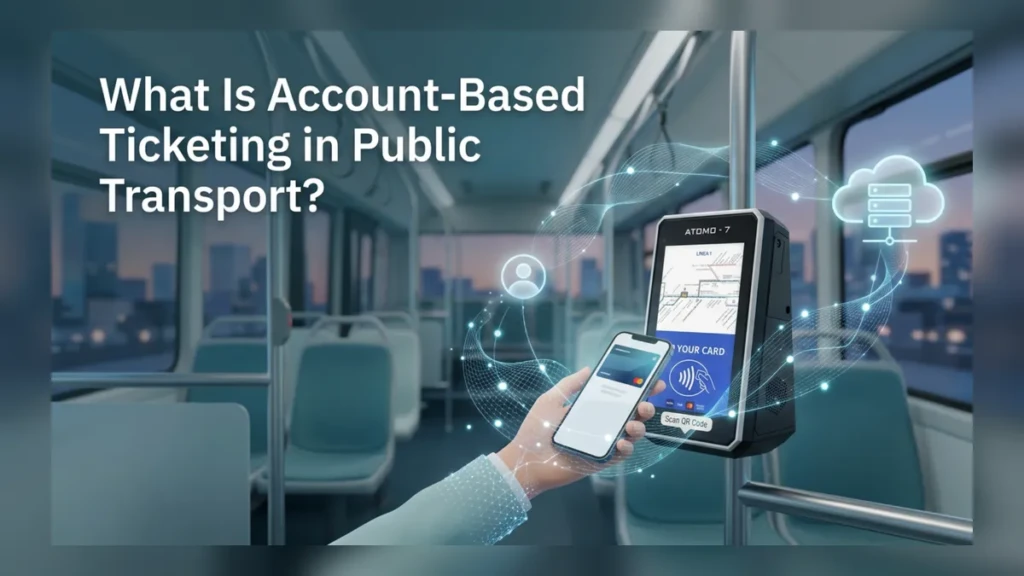
INSIDE ATOMO 7 Smart Ticketing Validator in Action September 9, 2025 16:16 pm Public transport is entering a new era of connected and intelligent fare systems — where every on-board device works together to make mobility faster, safer, and easier.At the center of this evolution stands Digitax ATOMO 7, the compact Android-based validator that turns contactless technology into a complete mobility experience. 1. A DEEP LOOK INTO THE HEART OF CONTACTLESS MOBILITY Behind every “tap” on ATOMO 7, there is a complete chain of technology working in the background. The front touchscreen, RFID/EMV reader and QR scanner guide the passenger through a clear, intuitive experience — while the internal Android platform manages validation rules, security checks and communication with the back-office. By concentrating contactless validation, EMV open payment and barcode reading in a single device, ATOMO 7 becomes the operational core of modern fare collection. It doesn’t just read cards and codes: it verifies entitlements, applies the correct fare policy and returns instant feedback to the passenger, even in high-traffic conditions. In the following sections, we open up this validator “from the inside” to show how its design, connectivity and integration capabilities translate into reliable performance on every vehicle. Discover Digitax Ticketing Solutions TABLE of CONTENTS A Deep Look into the Heart of Contactless Mobility A Deep Look into the Heart of Contactless Mobility Compact Design, Powerful Capabilities Compact Design, Powerful Capabilities Built for Real-World Operations Built for Real-World Operations Comprehensive Connectivity and System Integration Comprehensive Connectivity and System Integration Connectivity That Keeps You in Control Connectivity That Keeps You in Control Smart Validation for Any Mobility Scenario Smart Validation for Any Mobility Scenario Empowering Operators with Real Benefits Empowering Operators with Real Benefits A Vision of Seamless, Connected Mobility A Vision of Seamless, Connected Mobility Technical Validation Summary Technical Validation Summary FAQ FAQ 2. COMPACT DESIGN, POWERFUL CAPABILITIES Professional-grade RFID ReaderEnsures fast, secure, and reliable contactless validation, compliant with the highest industry standards for urban and interurban transport environments. Integrated QR/Barcode ScannerReads both 1D and 2D codes with high precision, supporting printed and digital tickets, even under variable lighting conditions. PCI PTS 5.1–Certified Open Payment TerminalEnables direct EMV transactions and mobile wallet acceptance (Visa, Mastercard, Apple Pay, Google Pay), providing passengers with frictionless access and operators with secure payment management. Multi-Standard Validation SupportFully compatible with EMV, Calypso, MIFARE DESFire EV2, and NFC standards, ensuring seamless operation across modern electronic fare collection systems worldwide. Instant and Consistent PerformanceWhether processing a physical card, mobile device, or printed barcode, ATOMO 7 guarantees immediate validation and operational reliability in any condition. Discover Digitax ATOMO-7 Smart Ticket Validator 3. BUILT FOR REAL-WORLD OPERATIONS Designed for daily use in high-demand transport environments, ATOMO 7 integrates durability and practicality: IP65 / IK09 protection provides complete resistance to dust, impacts, and vibration. 7-inch high-brightness touchscreen ensures readability under all lighting conditions, supported by LED indicators for quick feedback. Flexible Pole Docking System allows fast installation and maintenance with minimal downtime. Dual Qualcomm Platforms deliver constant high-speed performance and optimized power management. These features make ATOMO 7 a fleet-ready, industrial-grade solution designed for longevity and operational efficiency. Digitax ATOMO 7 Direct Interfaces Diagram of ATOMO 7 smart ticketing validator showing direct interfaces including sensors, printers, payment systems, and onboard connectivity options 4. COMPREHENSIVE CONNECTIVITY AND SYSTEM INTEGRATION The diagram above highlights the connectivity architecture of the Digitax ATOMO 7 smart ticketing validator, designed to integrate seamlessly with on-board systems and external devices. ATOMO 7 supports a wide range of interfaces and communication standards, including: Digital and analog I/O for custom signal mapping and control. CAN Bus, LAN, RS485, and USB for fast and reliable data exchange. Wireless modules for Wi-Fi, Bluetooth, and GPS/GLONASS/BDS positioning. These interfaces allow the validator to communicate with multiple on-board components such as: Printers, door sensors, and passenger counters. Panic buttons, diagnostic units, and external displays. In addition to its connectivity features, ATOMO 7 integrates dedicated modules for: RFID (ISO 14443 / ISO 15693) and EMV open payment validation. QR and Barcode scanning for paper and mobile ticket formats. Thanks to its configurable I/O mapping and modular installation design, ATOMO 7 adapts effortlessly to any fleet or vehicle configuration.It acts as a central hub within the Digitax ecosystem, synchronizing ticketing, diagnostics, and fleet management data into one unified operational environment. ATOMO 7 Smart Ticketing Validator Dual view of the ATOMO 7 smart ticket validator showing the touchscreen interface and the underside QR scanner for fast ticket validation 5. CONNECTIVITY THAT KEEPS YOU IN CONTROL ATOMO 7 ensures continuous connection and data synchronization through a full suite of wireless and vehicle interfaces: 4G LTE, Wi-Fi 2.4/5 GHz, Bluetooth LE, and GPS guarantee secure, real-time communication between vehicles and central systems. Via the Digitax SDK, developers can integrate customized solutions using CAN Bus, digital I/O, and telemetry channels, enabling interaction between ticketing, diagnostics, and fleet management platforms. This open architecture turns ATOMO 7 into a dynamic, intelligent node within the Digitax ecosystem, in full synergy with ATOMO 10 MDT and ATOMO 10 ETS. Looking for an overview of our contactless validation solutions? Read our article on Digitax Contactless Validation 6. SMART VALIDATION FOR ANY MOBILITY SCENARIO From urban networks to intermodal mobility hubs, ATOMO 7 adapts to every operational context: Supports public transport systems, stadiums, museums, and amusement parks requiring fast, secure validation. Designed for new installations as well as retrofit projects, ensuring backward compatibility with existing infrastructures. Guarantees interoperability and future scalability, ready to evolve with emerging digital fare collection standards. ATOMO 7 DOCKING STATION ATOMO 7 docking station mounted on bus poles with quick-mount design and reliable pogo pin connector 7. EMPOWERING OPERATORS WITH REAL BENEFITS Reduced MaintenanceThanks to OTA updates and the Digitax Device Track Platform, operators can remotely update firmware, configure devices, and monitor performance — reducing downtime and maintenance costs. Lower Operational CostsThe integration of multiple functions into a single device minimizes hardware redundancy, streamlining operations and maintenance activities. Scalable DeploymentBuilt for flexibility, ATOMO 7 can be easily deployed across different network sizes, from small municipal systems to large metropolitan fleets. Consistent Passenger ExperienceUnified data management ensures real-time validation and reporting, enabling smooth passenger flow and enhanced service continuity. Learn more about Digitax SDK solution Digitax ATOMO-10 ecosystem modular configurations Digitax ATOMO ecosystem showing different configurations of ATOMO 7 RFID and EMV validator with ATOMO-10 MDT and ATOMO-10

Torna in alto