Mobile Data Terminals for Fleet Operations
What Matters in 2026 (and Beyond)
- January 28, 2026
- 02:22 pm
Fleet digitization is no longer about “adding a rugged tablet to the dashboard.” Today, fleet operators and system integrators need an on-board platform that can run mission-critical applications, handle vehicle data and peripherals, stay connected, and remain upgradable for years.
In this article we focus on two Digitax solutions built for demanding fleet environments:
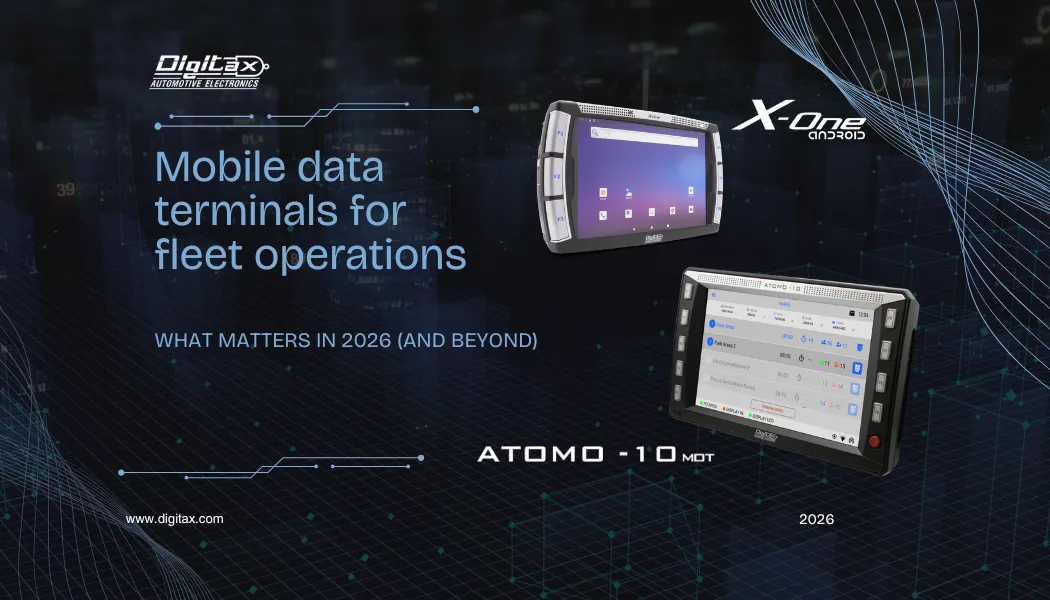
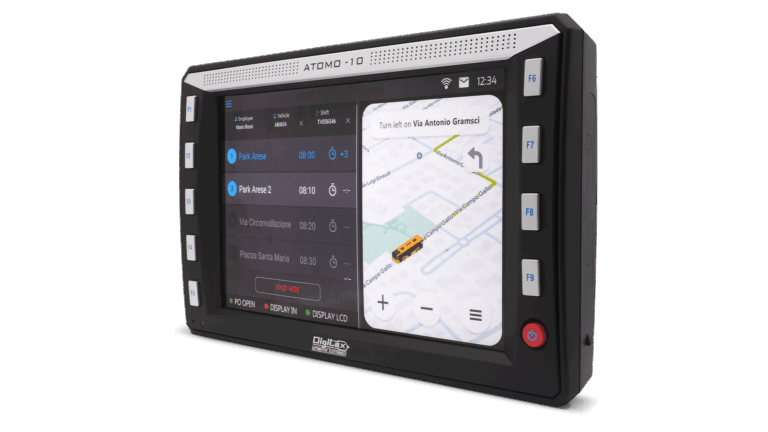
- ATOMO-10 MDT — a modular, professional driver-console MDT designed for complex integrations and long lifecycle planning, with a 10.1” high-brightness touchscreen.
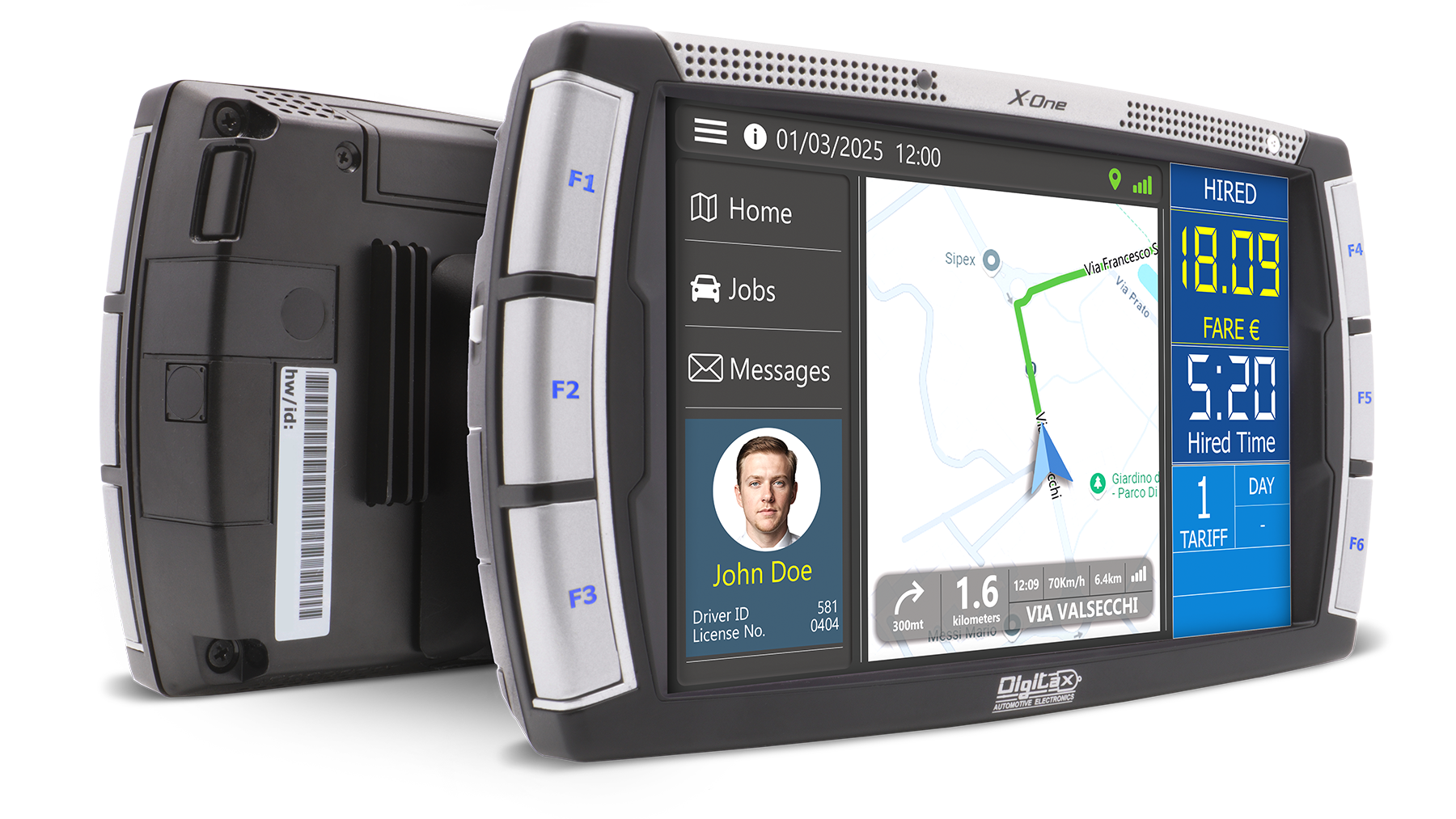
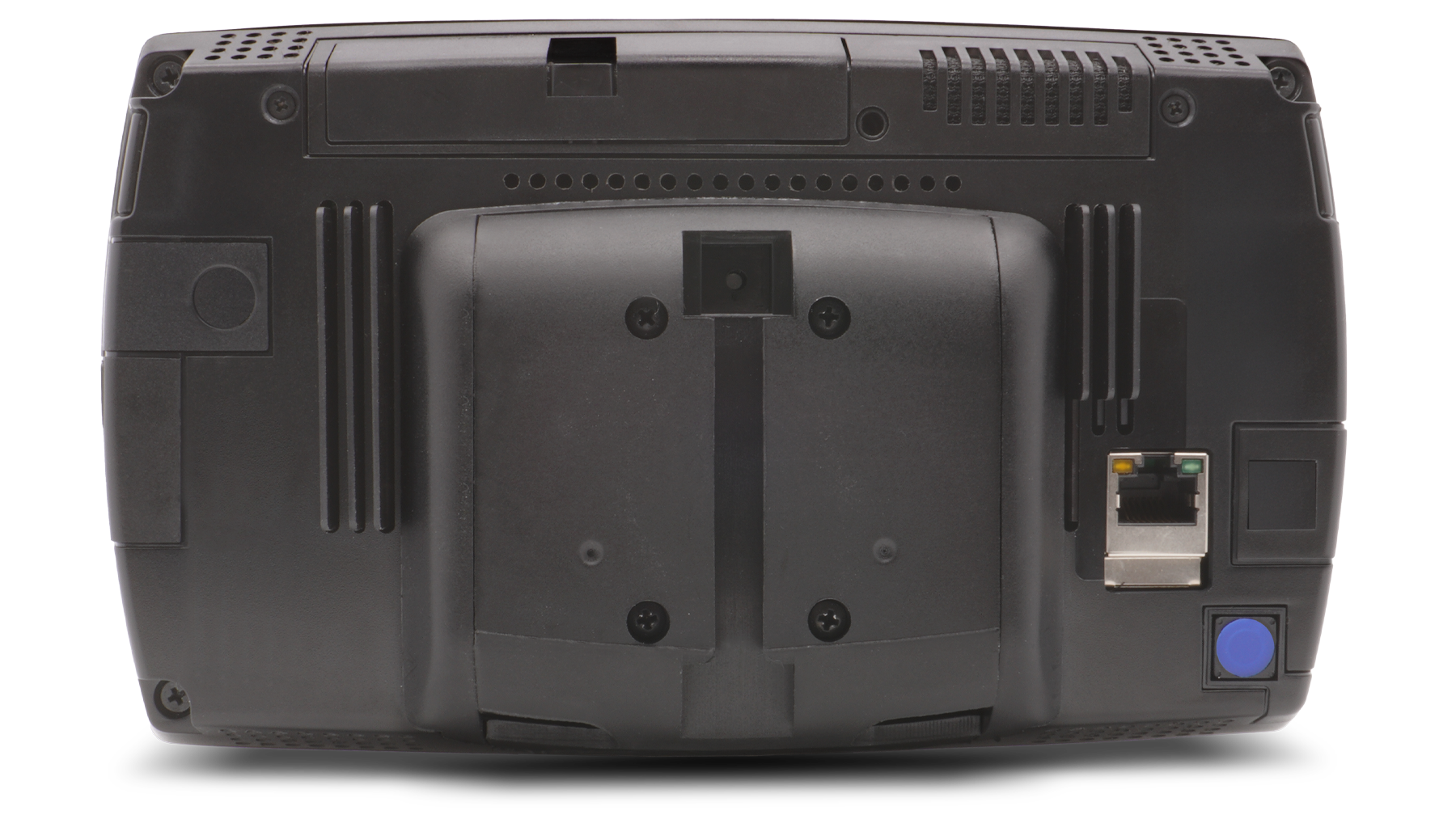
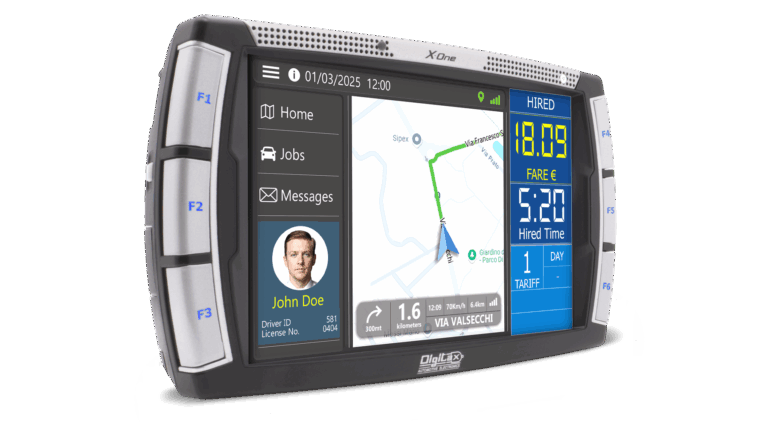
- X-ONE Android — a compact, all-in-one Android MDT engineered for rugged reliability and deep vehicle interfacing, with a 7” capacitive touchscreen.

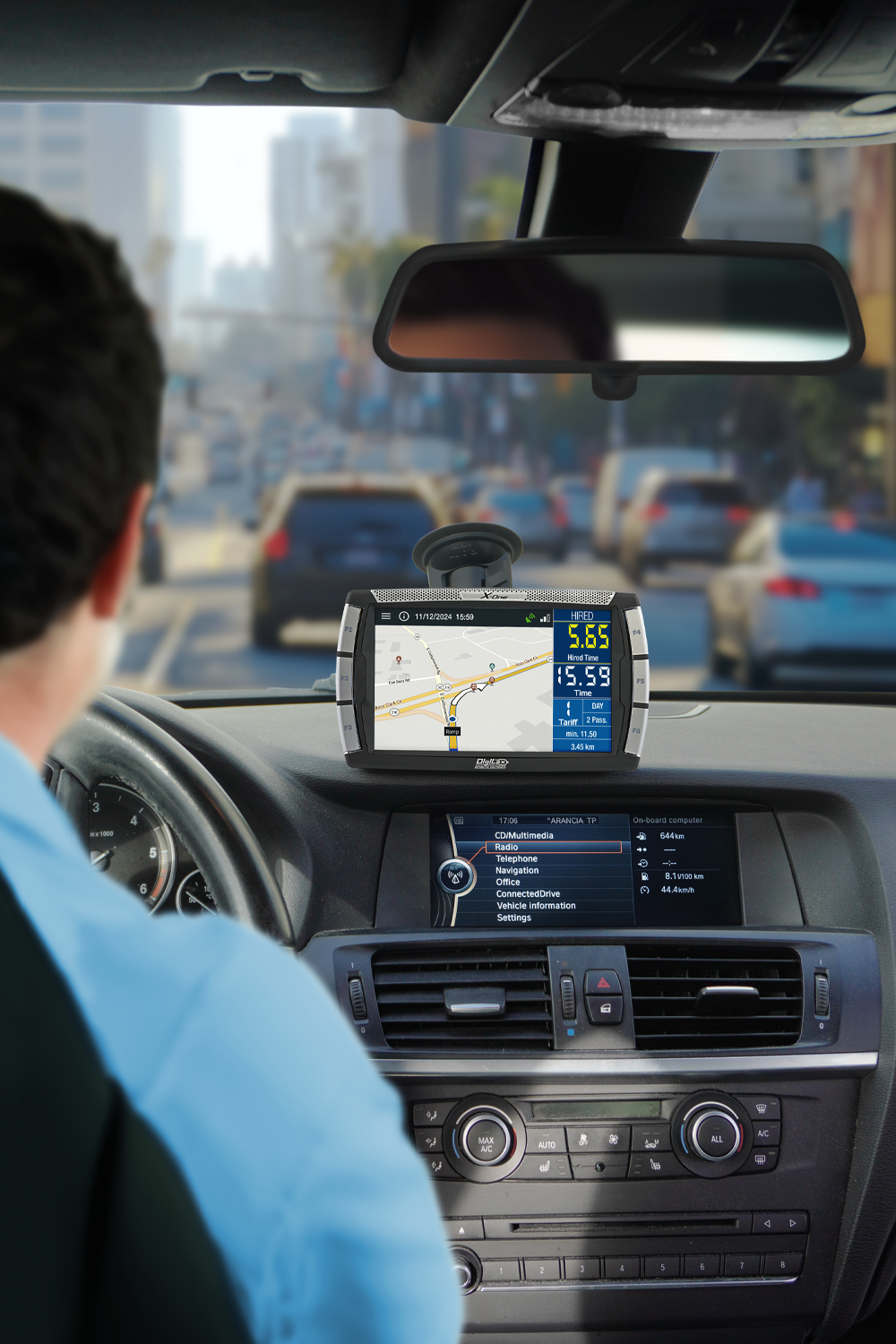
Digitax X-One Android on dashboard in real traffic
Digitax X-One Android fleet-grade mobile data terminal mounted on a car dashboard in traffic, supporting vehicle fleet management operations

1. The 5 requirements that define a fleet-grade MDT
Safe power behavior (and protection against vehicle power events)
- Vehicles are noisy electrical environments. Engine-start glitches and sudden power loss happen. A fleet-grade MDT must be designed to protect the operating system and applications when power conditions change.
Real vehicle I/O (not just connectivity)
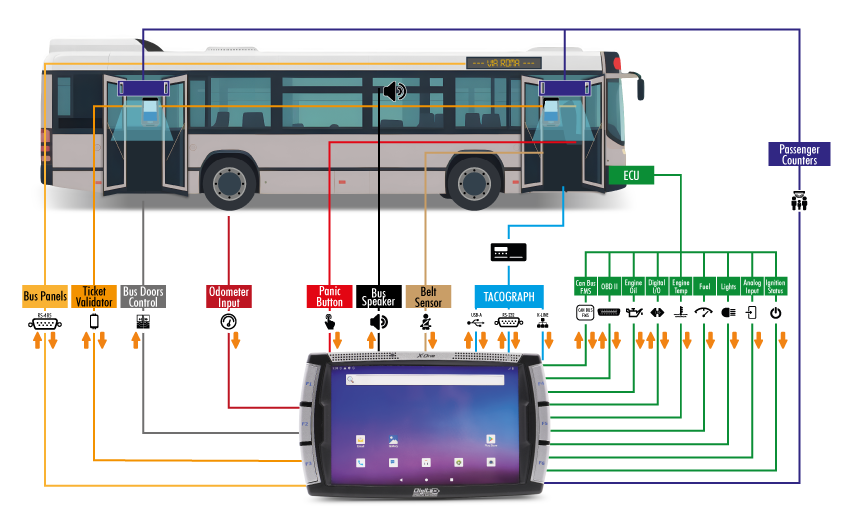
- The key question is not “Does it have 4G/Wi‑Fi?” but “Can it become the on-board hub that connects what the vehicle is doing with what the fleet needs to manage?” That means interfaces for vehicle data and peripherals—serial ports, digital I/O (vehicle signals and peripheral interfaces), and vehicle-bus integrations—based on your project scope.
Driver-first ergonomics for daily operations
If the most frequent actions live only on the touchscreen, wear increases and usability drops over time. A professional MDT should combine a high-visibility display with dedicated function keys for repetitive tasks.
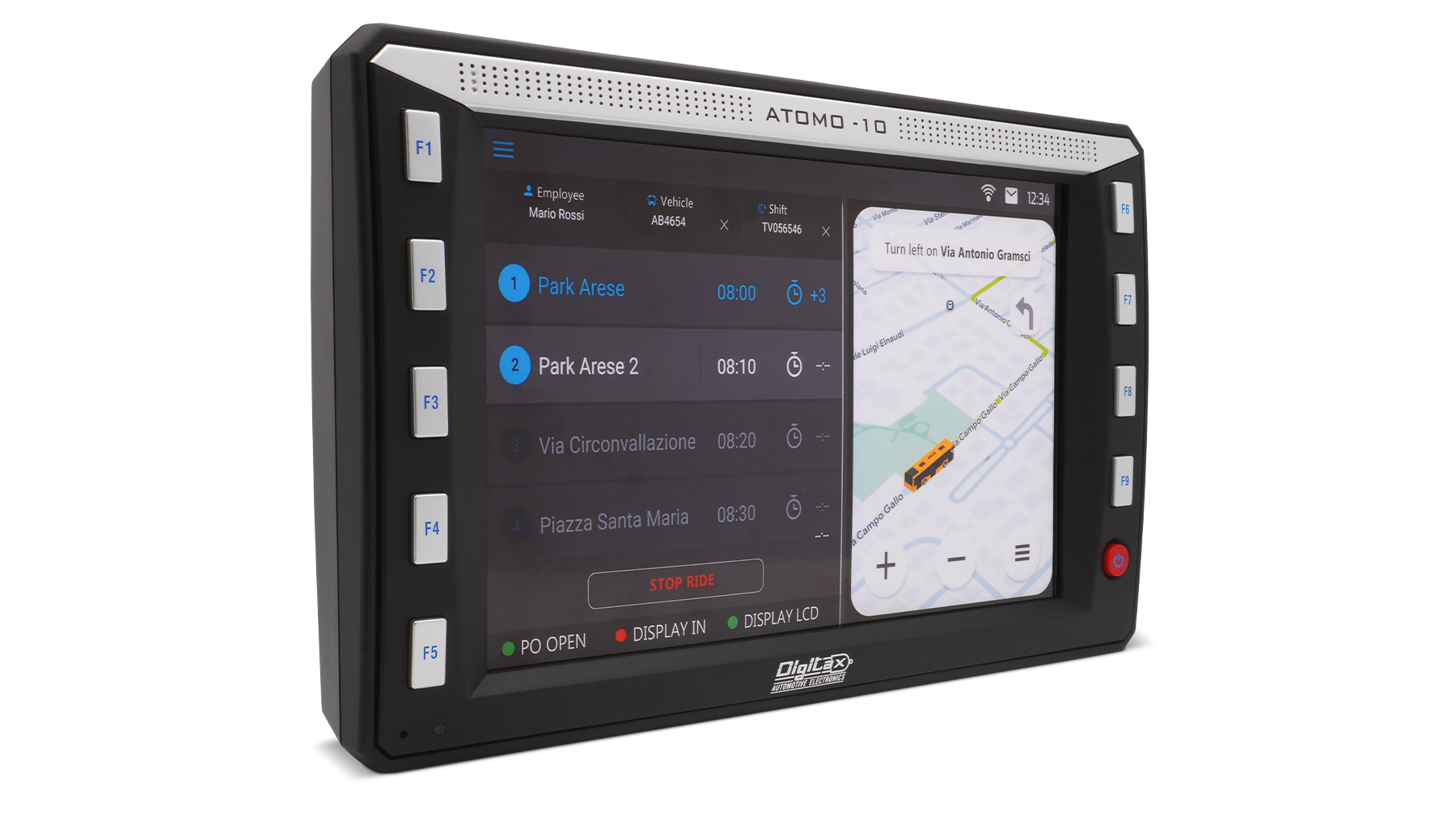
MDTs deliver the most value when daily operations are consolidated into one interface.
Security-oriented operational modes (when the platform must work “silently”)
Some workflows require the system to stay operational while limiting visibility (for example: monitoring, alarms, or security procedures). Features such as “display off while system running” can be valuable in real fleets.
Lifecycle strategy: upgrade paths that protect your investment
Long-lifecycle fleets can’t afford dead-end hardware. The best MDT strategy anticipates future requirements—such as OS changes, modem updates, and performance needs—without forcing a complete system redesign.
In this context, “upgradeable” means upgrading the Android platform itself. Digitax supports an upgradeable approach across its MDT portfolio:
ATOMO-10 MDT features an “Android Platform On Module” architecture.
X-ONE Android supports optional “Chip On Module” and “Module Replacement” to upgrade chipset and OS.
When requirements evolve, you can update the platform through this modular approach, then apply the required software/firmware updates—without replacing the full terminal.
![]()
MDTs deliver the most value when daily operations are consolidated into one interface.
![]()
HIGHLIGHT — MDT vs tablet: the fleet reality check
Consumer devices can run apps, but they usually sit outside the vehicle’s electronic ecosystem—so standardized access to vehicle signals (I/O), ECU (vehicle control unit) data and peripherals is harder to achieve.
A fleet-grade MDT adds safe power behavior, stable interfaces, electrical immunity, secure mounting, and an upgrade strategy that won’t force redesigns every time OS or modem requirements change.
TABLE of CONTENTS
-
1. The 5 requirements that define a fleet-grade MDT1. The 5 requirements that define a fleet-grade MDT
-
2. ATOMO-10 MDT: modular driver console designed for complex fleet integrations2. ATOMO-10 MDT: modular driver console designed for complex fleet integrations
-
3. X-ONE Android: all-in-one MDT for rugged fleet deployments3. X-ONE Android: all-in-one MDT for rugged fleet deployments
-
4. Optional architecture: when you must keep smartphone/tablet UX (Digitax Smart Box)4. Optional architecture: when you must keep smartphone/tablet UX (Digitax Smart Box)
-
5. Quick decision guide5. Quick decision guide
-
6. MADE IN ITALY, TRUSTED WORLDWIDE6. MADE IN ITALY, TRUSTED WORLDWIDE
-
FAQFAQ
2. ATOMO-10 MDT: modular driver console designed for complex fleet integrations
ATOMO-10 MDT is built for integrators who need a professional, flexible, modular platform for fleets and special vehicle applications.
Centralize complexity (reduce boxes, reduce failure points)
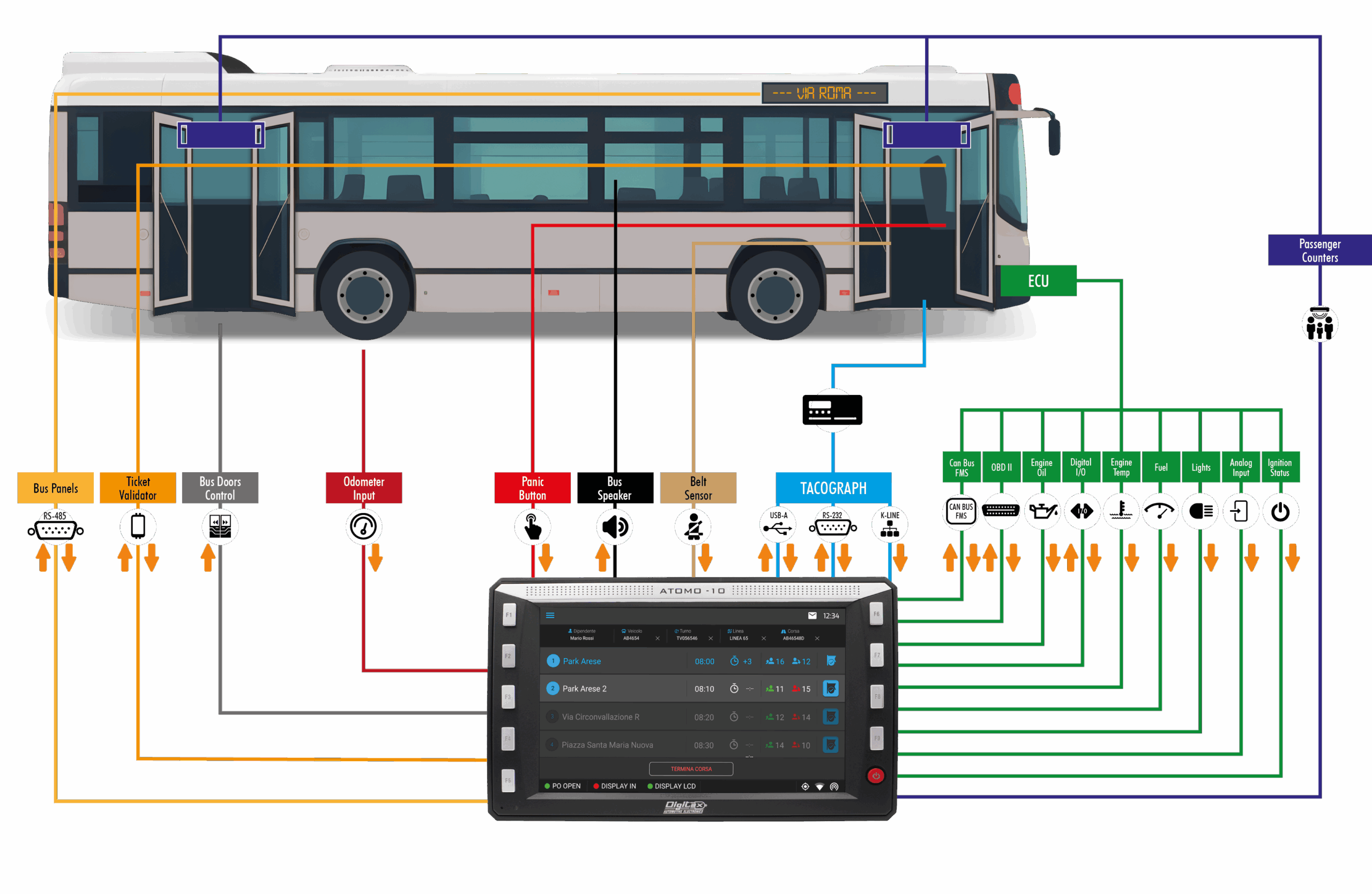
In many fleet architectures, costs and downtime come from the number of components needed to acquire signals and control peripherals. ATOMO-10 MDT is designed to acquire and process many inputs and can even interact with passive peripherals—reducing the need for extra signal-processing devices and simplifying installation and maintenance.
Dual-CPU approach: separate vehicle-critical tasks from the Android application layer
For system integrators, separating vehicle-critical tasks from the app layer improves reliability and maintainability. ATOMO-10 MDT uses a primary Android CPU plus a dedicated automotive task processor (AITP) responsible for functions such as power management, safe shutdown, odometer/wheel pulses, wake-up workflows, and OTA services.
Driver-optimized interface for intensive daily use
A high-brightness display combined with LED-equipped function keys supports fast, repeatable actions and helps reduce touchscreen wear.
Upgrade strategy: Android Platform On Module
ATOMO-10 MDT supports an upgradeable platform approach designed to keep CPU/OS and connectivity components aligned with future requirements, including 4G/5G evolution.
Practically, this means you can keep the same installation and upgrade the Android platform via module replacement, then apply the required SW/FW updates.

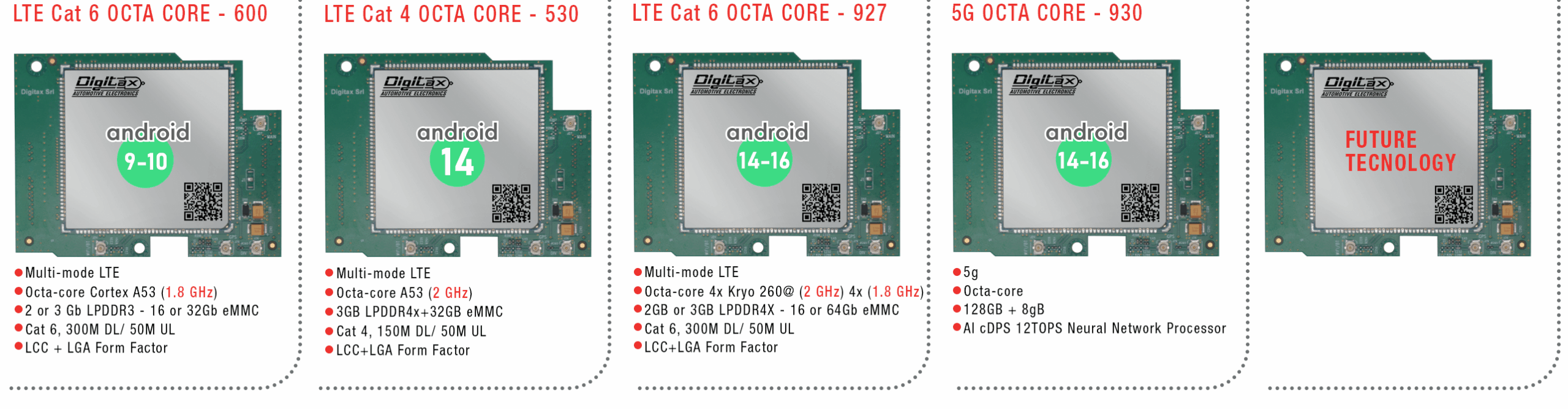
Upgradeable Android Platform Modules for Fleet-Grade MDT Architecture
Digitax Android Platform On Module architecture enables LTE and 5G upgrade paths for fleet-grade MDT deployments, supporting long lifecycle strategies through modular CPU and connectivity replacement.
![]()
Why this matters for integrators
A modular MDT that centralizes peripheral handling and offers a real upgrade path helps you scale across vehicle types while keeping maintenance, downtime, and long-term redesign costs under control.
3. X-ONE Android: all-in-one MDT for rugged fleet deployments
X-ONE Android is an all-in-one MDT platform designed for vehicle management and safety in demanding sectors such as transportation, logistics, and fleet operations.
Rugged reliability and stable comms for real-time operations
For real-time operations, a fleet MDT must remain stable across harsh conditions while supporting mobile communications and positioning workflows for tracking and dispatch.
Upgradeability via module replacement
X-ONE Android supports a lifecycle approach where current and future Android platforms (SoC) can be updated via module replacement—helping operators and integrators maintain compatibility as requirements evolve.
Features aligned with modern fleet requirements
Depending on the project scope, the platform can support capabilities such as eSIM provisioning, dead reckoning for positioning resilience, and driver behavior evaluation workflows.

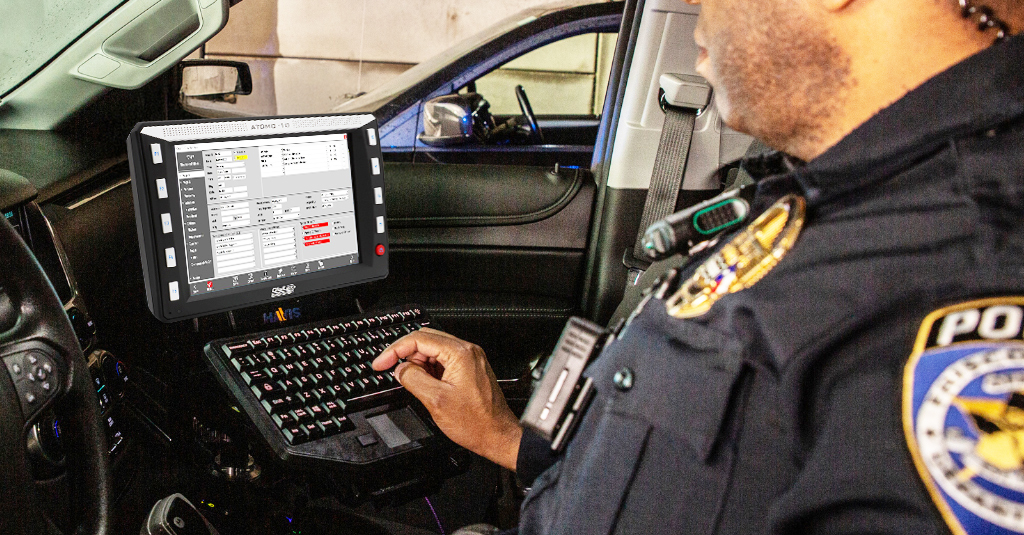
Police Patrol Vehicle Equipped with Digitax ATOMO-10 MDT
ATOMO-10 MDT enables Law Enforcement teams to manage reports, navigation, and communication directly from the patrol vehicle.
4. Optional architecture: when you must keep smartphone/tablet UX (Digitax Smart Box)
Some fleets are committed to a smartphone/tablet user experience, but still need deep vehicle interfacing and reliable on‑vehicle data handling. In those cases, Digitax Smart Box can interface vehicle data to an Android app running on a standard smartphone or tablet via USB‑C (with simultaneous data and battery charge).
For full integration, developers can use the ready‑to‑use Android SDK to implement complex automotive interfaces. Smart Box also supports Remote Desktop Display, letting you view the Android desktop from remote devices through Wi‑Fi or a wired LAN connection

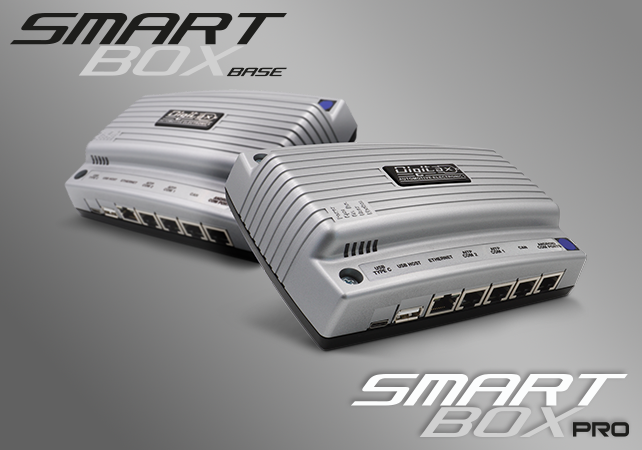
SMART BOX Base and SMART BOX Pro by Digitax
Embedded control units for data management, connectivity, and ITS smart mobility system integration.
Editor’s note
Smart Box is not a built-in display terminal, but it can still deliver a user interface to external devices.
With Remote Desktop Display, you can view the Android desktop from remote devices through a Wi‑Fi connection or a wired LAN connection.
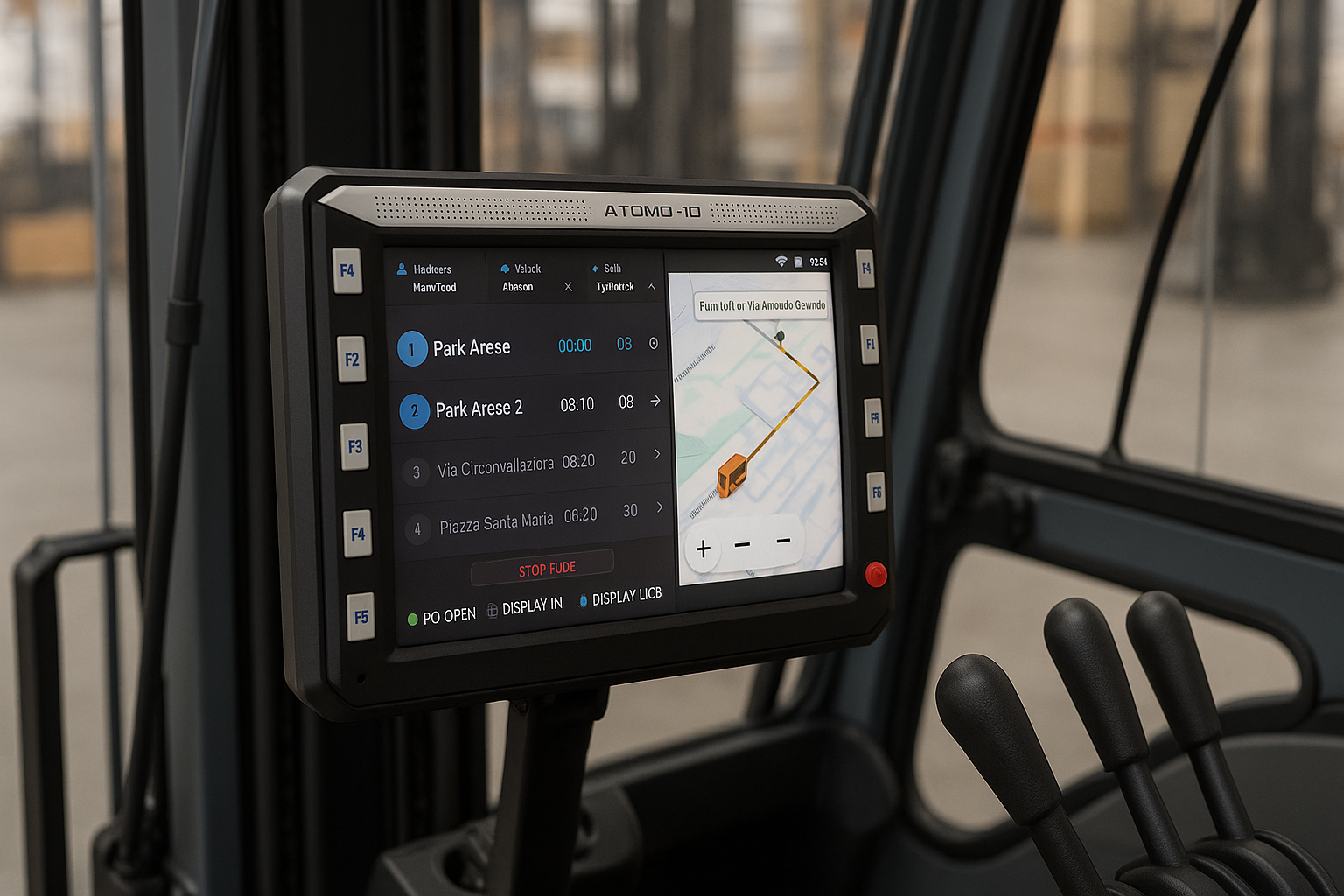
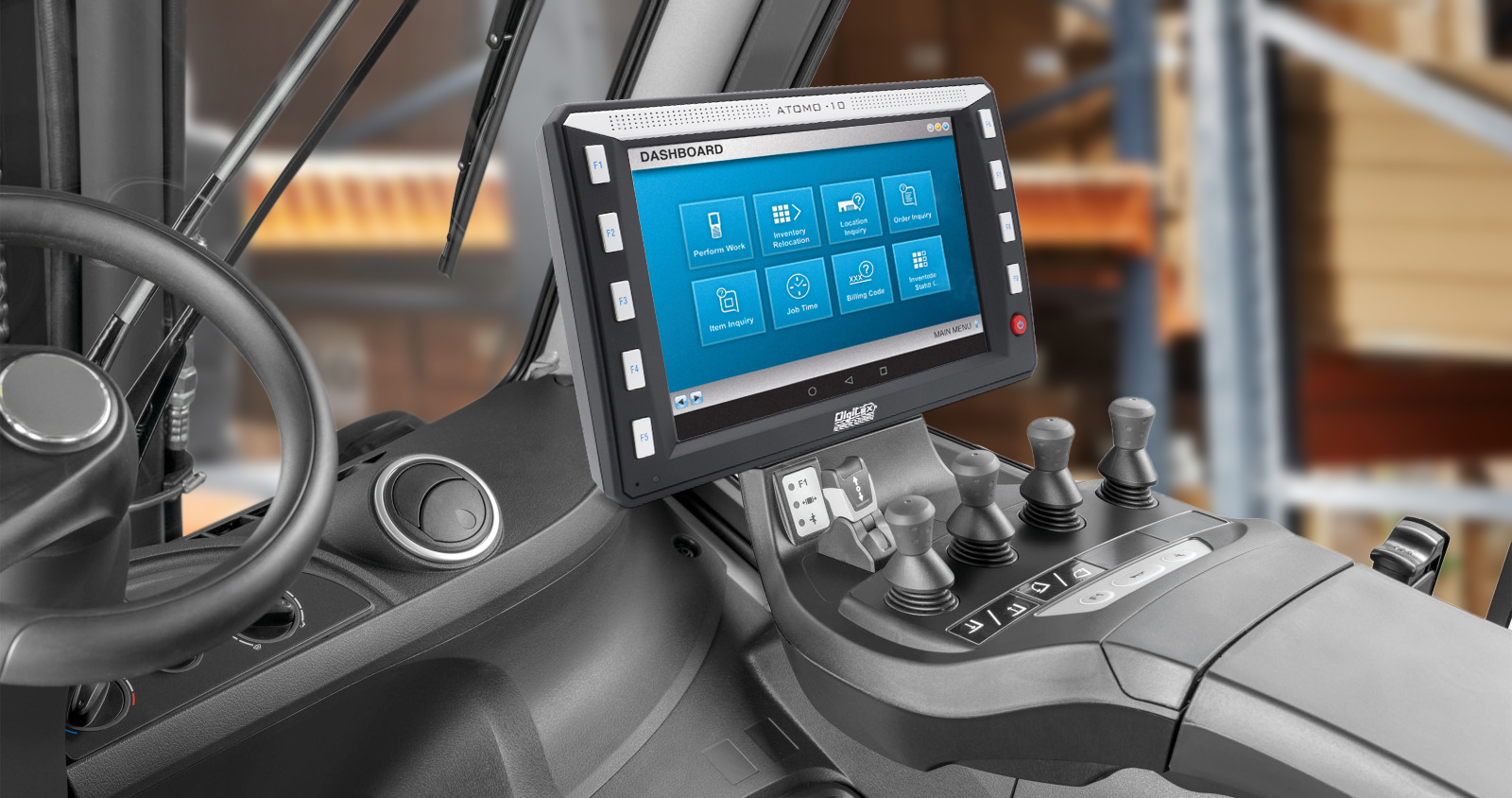
ATOMO-10 MDT installed on forklift
ATOMO-10 MDT provides real-time data, guided navigation, and always-on fleet connectivity for industrial forklifts, improving coordination and operational visibility.
Quick decision guide:
which architecture fits your project?
Choose ATOMO-10 MDT when:
- You need a larger active screen area (10-inch) for your applications or operator workflows
- You’re building a complex integration with many peripherals and want to centralize complexity
- You need a modular driver console approach with a strong lifecycle/upgrade strategy
- Your project benefits from separating vehicle-critical tasks from the Android application layer
- You need a larger active screen area for your applications or operator workflows
Choose X-ONE Android when:
- You want a compact 7-inch all-in-one MDT designed for rugged fleet deployments
- You need deep vehicle interfacing with a lifecycle strategy based on module replacement
- You want a platform aligned with modern fleet features (connectivity and positioning resilience)
![]()
To understand the role of MDTs within fully connected fleets, take a look at our article on
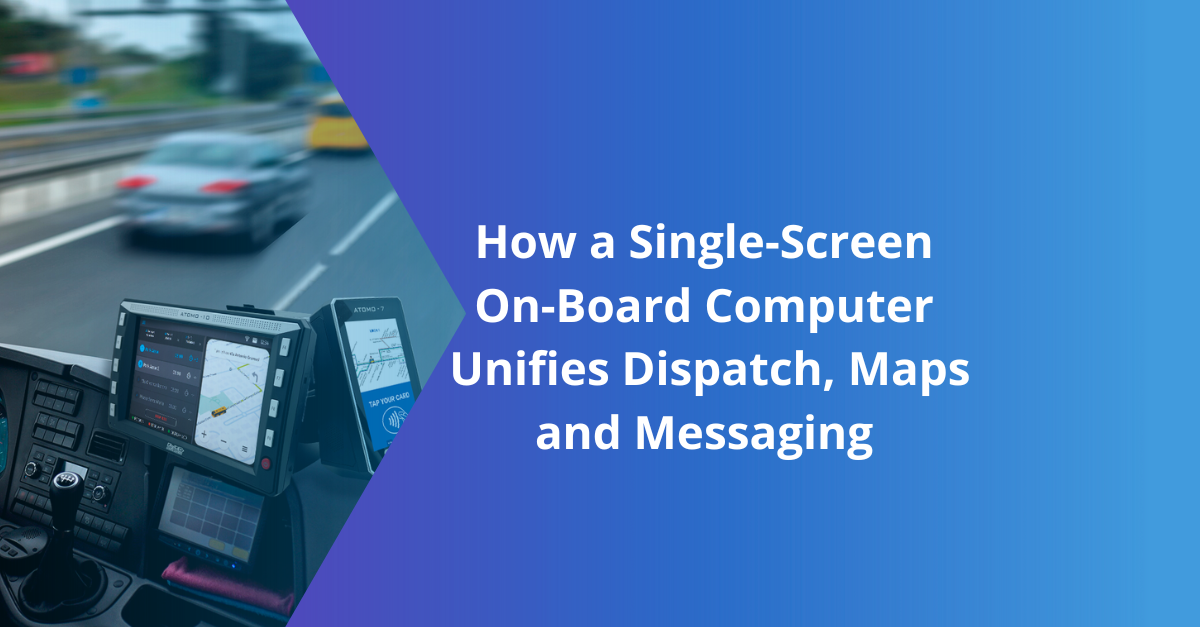
👉How to improve fleet efficiency and reduce downtime with Digitax connected solutions
Key takeaways
- A fleet-grade MDT must integrate with the vehicle ecosystem: safe power behavior, stable I/O and peripheral handling.
- Plan for long lifecycle: “Android Platform On Module” (ATOMO‑10) and “Chip On Module” / module replacement (X‑ONE) enable Android platform upgrades without replacing the full terminal.
- Match form factor to your workflow: a 10.1” driver console vs a compact 7” all‑in‑one can change usability in daily operations.
- Consider Smart Box when the app/UI must stay on a phone/tablet but you still need robust vehicle interfacing.

In-House Design & Manufacturing, From Idea to Product
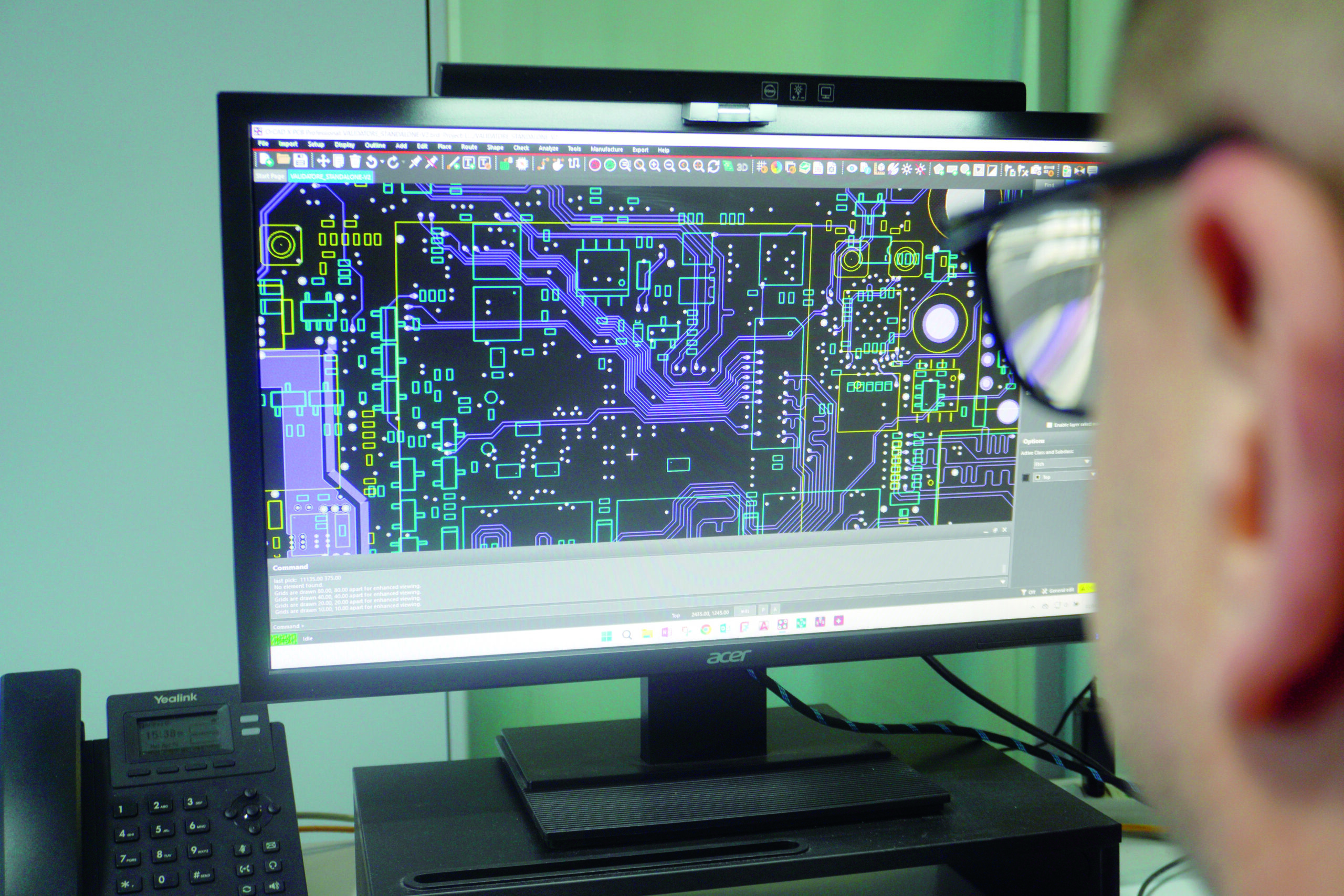
At Digitax, we manage the entire product lifecycle in-house—from the initial idea and concept through mechanical and PCB design, hardware engineering, and firmware/software development in parallel, all the way to manufacturing and quality validation. Production includes our dedicated automatic SMD (Pick & Place) assembly line, followed by rigorous testing such as 300-hour burn-in at 75°C and automatic functional tests on every unit, before final preparation and door-to-door shipping.
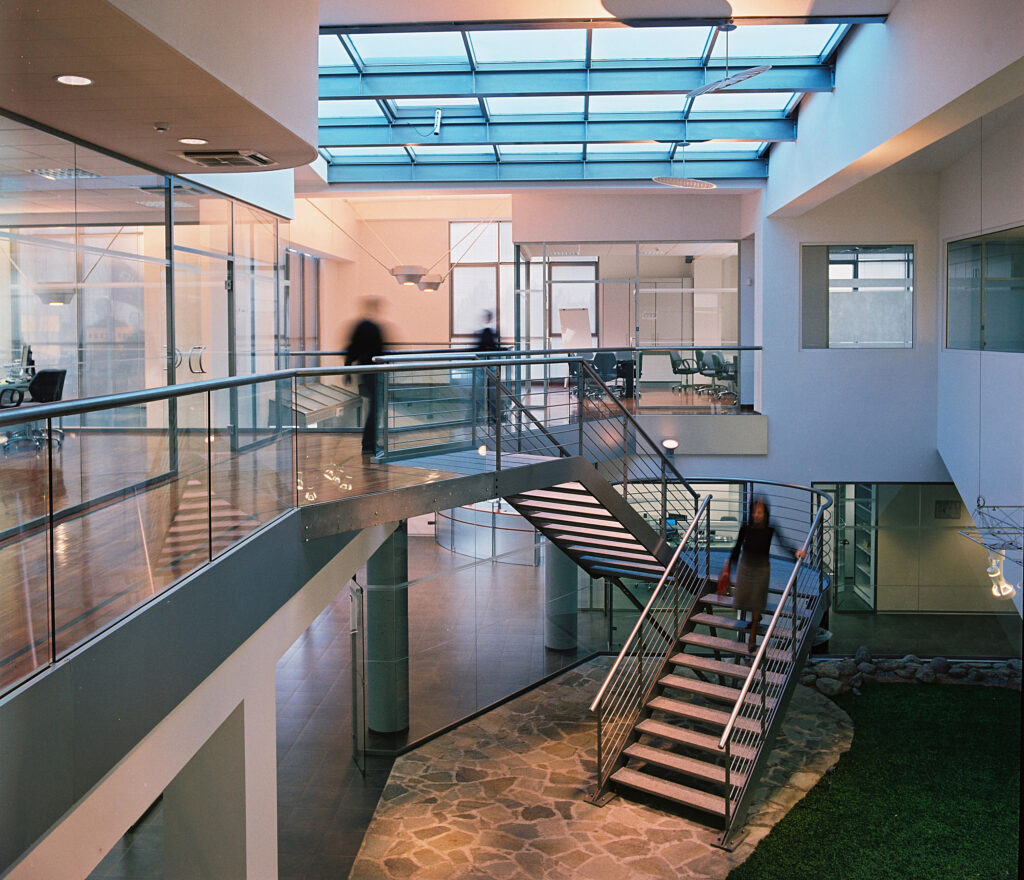
Digitax designs and manufactures its systems in Italy, under strict quality standards and with a strong focus on automotive and public transport markets. Through international partners and distributors, Digitax hardware powers fleets and transport networks in multiple countries, from Europe to other regions.
This combination of Italian engineering, industrial-grade quality and global presence offers operators a reliable reference partner for long-term mobility projects.
![]()
Discover how Kaptyn and Triad upgraded Las Vegas taxi operations using Digitax solutions in our case study:
👉 How Kaptyn and Triad Upgraded Las Vegas Taxi Operations (USA)
FAQ
An MDT is an automotive-grade on-board computer designed to run operational applications and integrate vehicle data and peripherals, built to handle harsh electrical and environmental conditions.
Vehicle power can drop unexpectedly. Safe shutdown behavior helps applications and OS close safely, reducing instability and data corruption risk.
A dual-CPU architecture separates Android computing from a dedicated automotive processor that handles vehicle-critical tasks (power management, safe shutdown, wake-up workflows and OTA services), improving reliability and maintainability.
Yes. ATOMO-10 MDT supports an upgradeable Android Platform On Module approach designed to keep the device aligned with future CPU/OS and connectivity requirements, including 4G/5G evolution.
Yes. X-ONE Android supports current and future Android platforms (SoC) via module replacement, helping deployments remain updateable as requirements evolve.
Stealth Mode Controller keeps the system operational with the display off. Ghost Mode refers to a “fake shutdown” behavior. Both can support monitoring and security-oriented workflows.
When you must keep a standard smartphone/tablet as the HMI but still need professional vehicle interfaces and an SDK for integration.